Sealing wax: the history of a timeless symbol of elegance
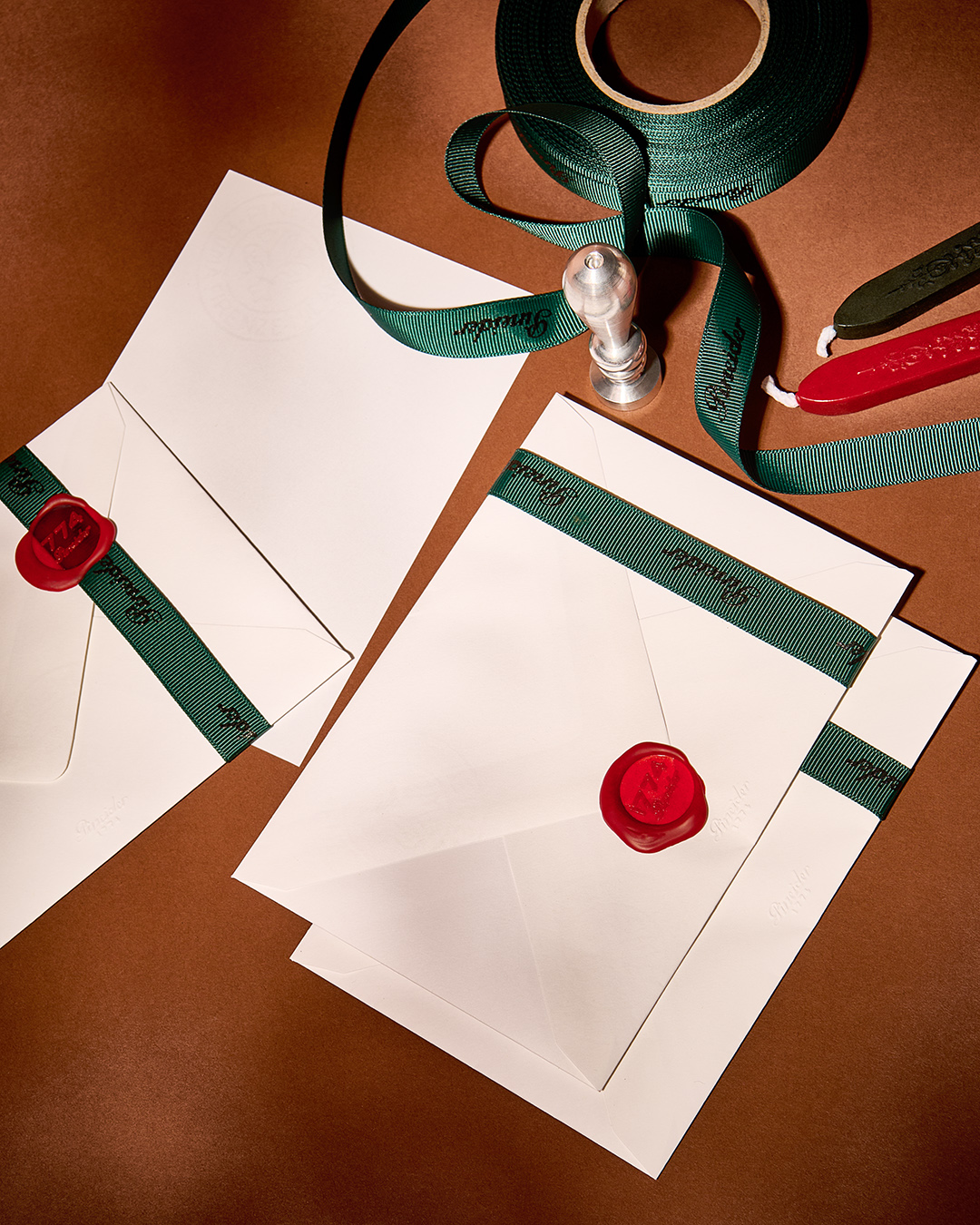
15 June 2026The history of sealing wax is deeply connected to the history of communication, craftsmanship, and personal identity. There is an ancient and silent gesture that has crossed centuries without losing its fascination: sealing a letter with wax. More than a simple material, sealing wax represents authenticity, elegance, and intention. A ritual made of warmth, patience, and precision, capable of transforming a message into something personal and memorable. Even today, sealing wax continues to evoke the beauty of slow gestures and timeless refinement. What is sealing wax: natural origins and composition Sealing wax is a thermoplastic resinous compound primarily made from: Natural resins Shellac Pigments Waxes Mineral substances Its most distinctive characteristic lies in its transformation through heat. When warmed, sealing wax becomes soft and malleable, ready to receive an imprint. As it cools, it hardens into a glossy and durable surface. The origins of sealing wax are rooted in nature itself. The primary raw material comes from the secretion of the Kerria lacca insect, collected from tree branches in tropical regions of Asia. Even today, its production preserves the charm of traditional craftsmanship through processes such as: Purification Melting Pigment blending Manual preparation Each stage contributes to creating a perfect balance between aesthetics, functionality, and artisanal quality. Sealing wax in the Middle Ages and official communication Introduced to Europe during the Middle Ages, sealing wax quickly became an essential tool for protecting and authenticating documents. From the 16th century onward, its use alongside paper transformed official communication across courts, institutions, and trade routes. Monarchs, nobles, merchants, and diplomats entrusted their identity to wax seals through: Coats of arms Monograms Personal emblems Official seals In a world without modern security systems, an intact seal represented authenticity and inviolability, while a broken seal communicated immediate evidence of tampering. The seal became both a functional and symbolic mark of authority. The symbolic meaning of colors in sealing wax Throughout the history of sealing wax, colors also carried important symbolic meanings. Different shades communicated different messages: Deep red for official and ceremonial documents Black for mourning or confidential correspondence Blue for discretion and authority Gold and precious tones for prestige and luxury Pigments were not used solely for decoration. They also influenced the texture, shine, and consistency of each wax formulation. Some luxurious preparations were even enriched with rare fragrances such as: Ambergris Musk Natural essences The wax seal became a complete sensory experience that combined sight, touch, and scent. Uses of sealing wax through history Over centuries, sealing wax has been used in many different artistic, ceremonial, and decorative contexts. Main uses of sealing wax Sealing letters and official documents Decorative applications on furniture and luxury objects Protective finishes for wood and metal Sealing high end wine bottles Luxury packaging and invitations Even today, sealing wax remains present in institutional and ceremonial settings where authenticity, elegance, and tradition continue to hold value. Sealing wax and contemporary stationery culture In the age of digital communication, sealing wax continues to symbolize intentionality and personal expression. Using a wax seal transforms communication into something tangible and memorable. For this reason, sealing wax has regained popularity in: Luxury stationery Calligraphy Wedding invitations Handcrafted correspondence Premium packaging Every seal communicates individuality, care, and timeless elegance. How to preserve sealing wax Like every refined natural material, sealing wax requires proper care to preserve its beauty and integrity over time. It is recommended to: Avoid prolonged exposure to heat and sunlight Store sealing wax in dry environments Avoid applying excessively thin layers Protect seals from impact and pressure Its natural variations are part of its artisanal charm and authenticity. Sealing wax as a timeless expression of elegance The enduring power of sealing wax lies in its ability to move through centuries without losing meaning. In a fast-paced and digital world, the gesture of sealing still represents something rare: the value of attention, intention, and presence. Because sealing does not simply mean closing something. It means giving importance to it. And it is precisely within this quiet gesture that sealing wax continues to express its timeless elegance. Discover the personalised Pineider wax seal set and transform every letter, invitation, or message into an authentic expression of craftsmanship and refined Italian style. Aggiungi ai preferiti
The leather belt: features and care of a timeless accessory
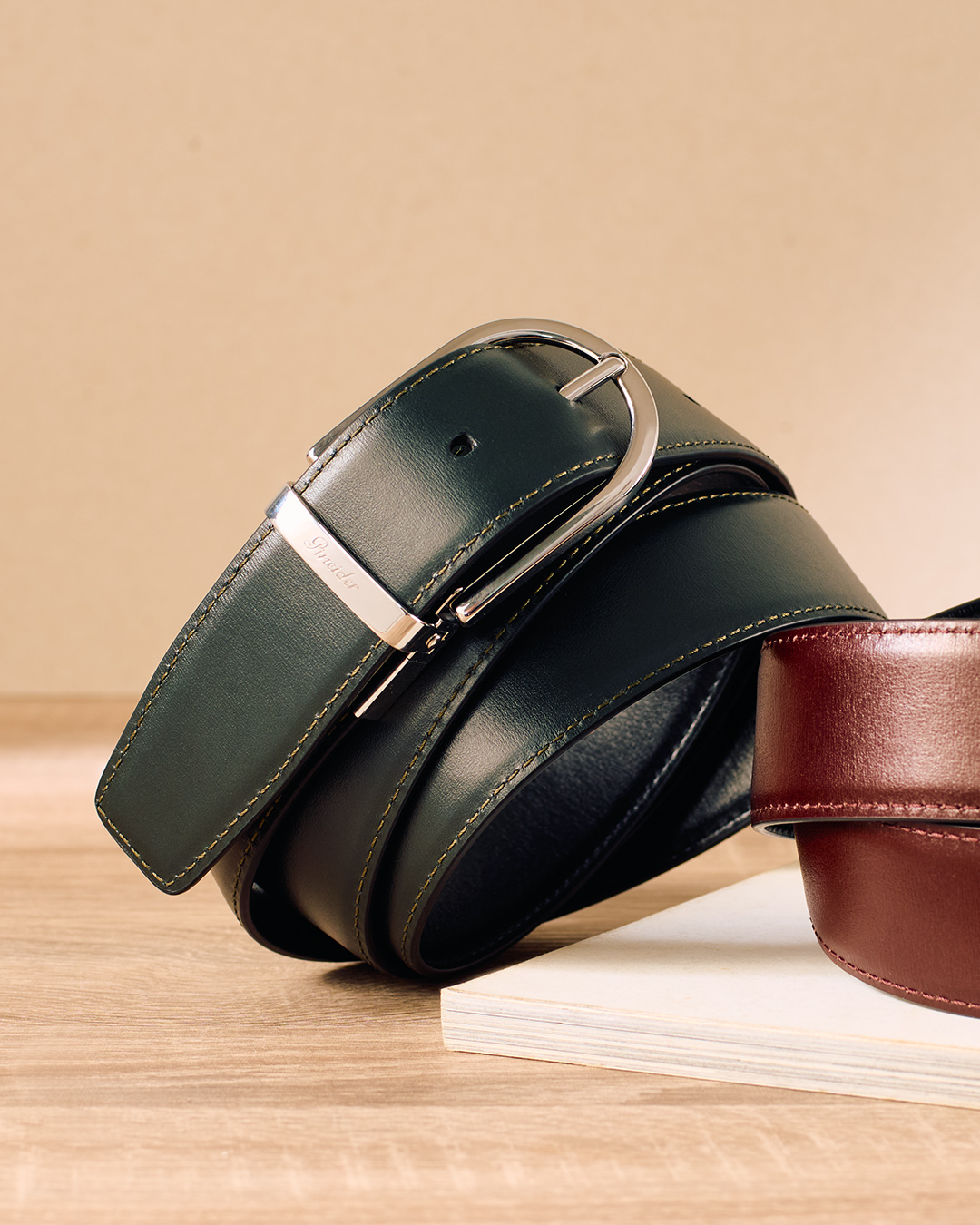
The history of belts is much older than one might imagine. Originally created out of necessity, belts gradually evolved into symbols of identity, sophistication, and style across different cultures and eras. Today, the leather belt represents a perfect balance between tradition and contemporary design. It preserves its original functionality while embracing modern values such as versatility, personalization, and refined materials. The men’s leather belts by Pineider embody this philosophy through Italian craftsmanship, luxury materials, and understated elegance designed to endure over time. What is a leather belt: an accessory shaped by craftsmanship A leather belt is one of the few accessories capable of defining style without ever becoming excessive. Essential and discreet, it naturally accompanies both formal and contemporary wardrobes while reflecting the personality of the person wearing it. Crafted from semi gloss calfskin leather, the Pineider belt enhances the natural beauty of the material through artisanal treatments that create a soft and slightly irregular grain. The result is a surface rich in texture, depth, and character. Features of the Pineider leather belt Premium semi gloss calfskin leather Hand finished details Elegant and timeless design Refined Italian craftsmanship Soft and natural texture Made in Italy quality inspired by Florence Over time, the leather evolves naturally, becoming even more beautiful through daily use and developing a unique patina that reflects personal experience. Comfort, structure, and understated luxury The structure of the belt is carefully designed to follow the body harmoniously. The subtle central padding is not only an aesthetic detail but also contributes to a more natural fit, enhancing the silhouette with balance and elegance. Every element is designed around: Functionality Comfort Durability Sophisticated aesthetics Timeless versatility This quiet balance is what transforms a leather belt into an enduring luxury accessory rather than a passing trend. A double face belt designed for versatility One of the most distinctive features of the Pineider belt is its satin finished steel buckle with rotating box mechanism. With a simple movement, the belt transforms to reveal a second side. Two colors, two interpretations, one single accessory. This double face construction allows the belt to adapt naturally to different occasions while maintaining stylistic consistency. Advantages of the Pineider double face belt Two colors in one accessory Versatile styling possibilities Ideal for travel and business Elegant and understated appearance Functional and contemporary design The clip fastening system also allows the buckle to be removed and the length adjusted precisely, offering a higher level of personalization and comfort. Leather belt care: how to preserve elegance over time Caring for a leather belt is a simple yet essential ritual. To preserve its quality and elegant appearance over time, it is recommended to: Use a soft dry cloth regularly Apply a neutral leather cream occasionally Protect the belt from direct sunlight Avoid excessive humidity and moisture Store the belt in a dry and ventilated space With proper care, high-quality leather ages gracefully, developing character and depth while preserving the beauty, comfort and craftsmanship that make it unique. A timeless accessory that goes beyond trends Wearing a leather belt is not simply about completing an outfit. It is a gesture that expresses balance, attention to detail, and personal style. A refined accessory capable of accompanying everyday life with quiet elegance. In a world increasingly shaped by speed and disposable fashion, handcrafted leather accessories regain value through their durability and authenticity. Alongside fine materials and craftsmanship, proper leather belt care helps preserve the elegance and character that make a timeless accessory truly enduring. Because some accessories follow trends, while others endure. And it is precisely in their discreet presence that they continue to tell a story of elegance, craftsmanship, and Made in Italy quality. Aggiungi ai preferiti
The history of ink: from the first ink to modern types of pen ink
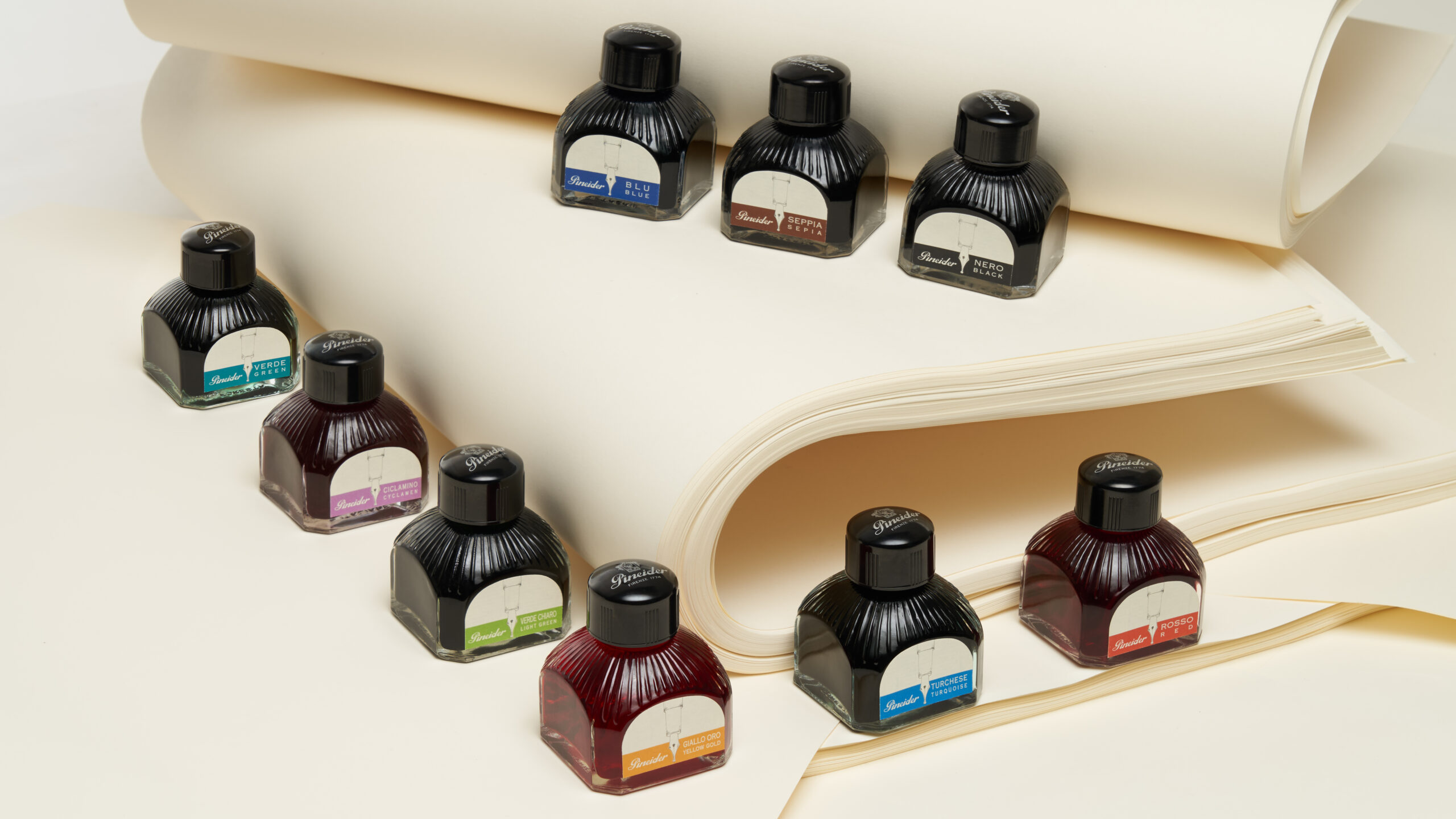
Ink was born over 4,500 years ago from a discovery as simple as it was destined to change writing forever. The history of ink begins with combustion: wood, plant remains, and other organic materials were burned inside closed containers, first made of terracotta and later of metal, allowing smoke to settle on the inner walls instead of dispersing. From that dark, carbon-rich residue emerged a substance that, when mixed with water, became the first ink in history. The origin of ink is deeply connected to fire itself: the word derives from the Latin encàustum, meaning “burned in a closed space.” This ancient ink word origin still reflects the primitive process from which writing materials first evolved. It was a simple yet revolutionary solution. For the first time, thoughts and symbols could be preserved on papyrus and parchment. However, this early ink also had significant limitations: it was unstable, inconsistent, and highly sensitive to humidity, often causing smudging. The first ink and the origins of writing The search for more durable and refined formulations led to the development of increasingly sophisticated types of pen ink throughout history. A major turning point arrived from the East with India ink. Around the 4th century, soot processing techniques became more advanced: smoke was carefully channeled to produce a finer powder, then mixed with animal glues to improve texture, stability, and durability. The result was a richer and more resistant ink, capable of surviving centuries without losing depth or intensity. It could also be compressed into elegant sticks, making it practical, refined, and easy to transport. Because of these qualities, India ink became essential not only for writing, but also for calligraphy and fine art traditions across Asia. Different types of ink throughout history Over time, different types of ink emerged, each designed for specific writing techniques, materials, and cultural traditions. Sepia Ink Sepia ink was derived from the secretions of marine mollusks and appreciated for its warm brown-black tones and artistic elegance. Iron Gall Ink During the Middle Ages, iron gall ink became the dominant writing medium across Europe. Made from plant tannins, iron sulfate, and gum Arabic, it initially appeared pale before slowly oxidizing into a deep black. Its main characteristics included: exceptional permanence strong adhesion to paper and parchment intense dark coloration durability over centuries Many historical manuscripts and official documents were written using iron gall ink. However, its acidic composition could eventually damage paper, parchment, and even metal nibs. The evolution of ink between craftsmanship and innovation For centuries, scholars, craftsmen, and alchemists refined ink formulas in search of the perfect balance between: stability brilliance fluidity drying speed long-term preservation Ink gradually evolved from a simple practical tool into a sophisticated intersection of art, science, and craftsmanship. With the rise of printing and modern writing instruments, production methods became increasingly technical and specialized. Writing accelerated, tools evolved, and ink adapted accordingly. Pineider inks: Florentine elegance and Italian craftsmanship Today, this centuries-long evolution finds a contemporary expression in the inks of Pineider, where traditional writing culture meets modern fountain pen technology. Inspired by the artisanal heritage of Florence and the excellence of Made in Italy, Pineider inks are designed for those who appreciate: timeless luxury handcrafted quality elegant writing instruments personalization refined materials sophisticated aesthetics These water-based inks with soluble dyes are formulated to ensure: consistent ink flow fountain pen safety smooth writing performance balanced lubrication clean and controlled lines Humectants and stabilizers prevent premature drying while preserving regular flow even during extended writing sessions. The color palette draws inspiration from classic European writing traditions, combining readability with understated elegance and contemporary refinement. Modern types of pen ink Today, the main types of pen ink reflect different approaches to writing and self-expression. Fountain pen ink Fluid, expressive, and nuanced, fountain pen ink follows the natural movement of the hand and enhances the individuality of writing. It is ideal for those seeking: elegance sensory writing experiences craftsmanship expressive handwriting timeless sophistication Ballpoint pen ink Denser and more controlled, ballpoint ink is designed for practicality, efficiency, and quick drying in everyday writing. Rollerball pen ink Rollerball ink balances the smoothness of fountain pen ink with the practicality of ballpoint systems, offering comfort and versatility in modern writing. Writing as a timeless gesture In today’s fast-paced digital world, handwriting still preserves something deeply personal and authentic. Choosing refined pens and premium inks means transforming a daily gesture into a slower, more conscious experience shaped by elegance, craftsmanship, and attention to detail. From soot collected in ancient containers to contemporary luxury formulations, the history of ink is ultimately the history of writing itself: humanity’s enduring attempt to give permanence, beauty, and meaning to ideas. Discover Pineider’s collection of Refills and ink cartridges created for refined writing experiences and timeless Italian craftsmanship. Aggiungi ai preferiti
Personalization: the art of making an object unique
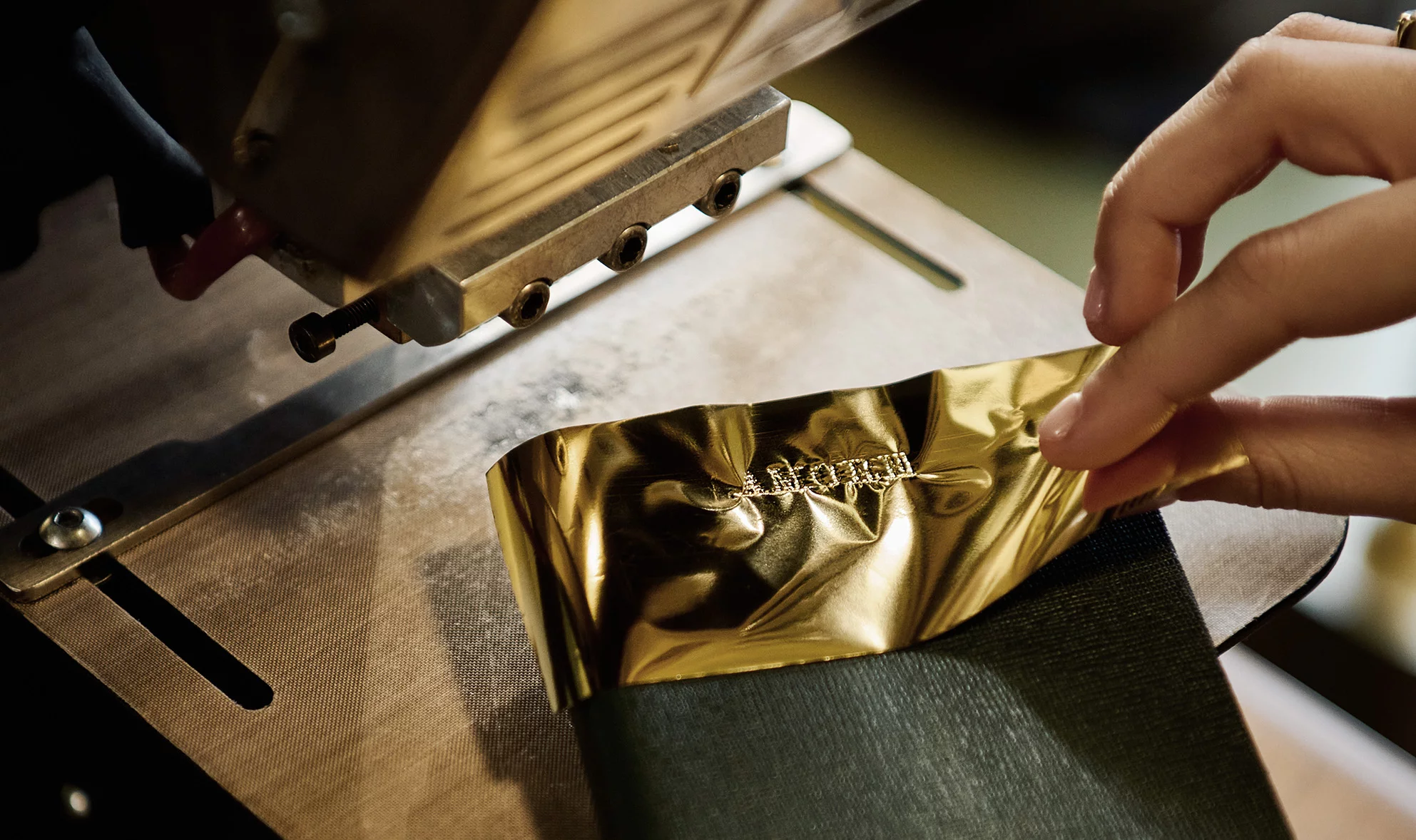
In a world where almost everything can be replicated, what truly creates distinction is what carries a personal mark. Not excess, nor decoration for its own sake, but a measured detail capable of expressing identity, taste, and intention. A personalized object is never simply different. It becomes a recognizable, intimate, and meaningful extension of personal style shaped through craftsmanship and thoughtful choices. For Pineider, personalization is not an additional service, but an essential part of its creative philosophy. It is the moment when an object moves beyond function and becomes expression. How to personalize an object with elegance and meaning Understanding how to personalize an object means finding the right balance between aesthetics, functionality, and individuality. Every Pineider creation begins through a process where premium materials, artisanal techniques, and refined details come together in harmony. Paper, writing instruments, leather goods, and travel accessories all share the same potential: becoming deeply personal while preserving their original elegance. Personalization never overwhelms the object. Instead, it enhances its natural identity with discretion and refinement. A tailored process shaped by craftsmanship Every personalization project develops through careful attention and intentional choices. In boutiques or through dedicated services, clients are guided in selecting: Materials Colors Finishes Proportions Decorative techniques Each element is refined until the final result feels coherent, balanced, and personal. This approach reflects the essence of Italian craftsmanship: not mass production, but the pursuit of individuality through quality and precision. Calligraphic personalization: the beauty of the human gesture Among the most refined techniques offered by Pineider, calligraphic personalization holds a distinctive place. Using a pyrograph guided by the hand of a master calligrapher, leather surfaces are marked with unique inscriptions created entirely by hand. Every inscription becomes: Authentic Irrepeatable Expressive Human Whether cursive or minimalist, the lettering reflects both personality and style while preserving the beauty of handcrafted imperfection. This process transforms the object into something intimate and timeless. Hot stamping and timeless personalization Hot stamping remains one of the most iconic and elegant forms of personalization. Through custom dies, it is possible to permanently imprint initials, logos, symbols and monograms onto leather surfaces with exceptional precision. Some examples of personalization through hot stamping are: Gold foil initials on leather wallets Silver monograms on travel accessories Blind embossed logos on briefcases Personal signatures on notebooks These details create discreet yet highly recognizable objects defined by sophistication and permanence. Digital printing for creative and contemporary projects Alongside traditional craftsmanship, Pineider also incorporates digital printing technologies that allow greater creative flexibility. This technique is ideal for: Complex graphics Limited editions Special collaborations Small scale productions Contemporary creative projects Digital printing combines precision, speed, and versatility while maintaining the elegance and quality associated with luxury craftsmanship. Engraving and leather patches: subtle identity details For larger leather accessories such as bags, briefcases and travel accessories, custom leather patches introduce a stronger visual presence while remaining coherent with the object’s overall design. On writing instruments, engraving offers another refined form of personalization through: Names Dates Meaningful words Initials These details become permanent elements of the object itself, accompanying everyday use with subtle elegance. Examples of personalization that make objects unique There is no single formula for personalization. Every object requires its own balance between aesthetics and personal meaning. Some examples are: Handwritten initials on leather notebooks Gold-stamped monograms on wallets Custom engraved fountain pens Personalized travel accessories Calligraphic leather details Limited edition printed graphics Each technique contributes to creating an object that reflects personal identity rather than temporary trends. Personalized objects and contemporary luxury In all its forms, Pineider personalization follows a clear principle: not to transform the object, but to define it more precisely. Every detail contributes to a refined balance between: Elegance Functionality Craftsmanship Personal identity Timeless style In an era dominated by standardization, choosing a personalized object means rediscovering the value of individuality and intentional design. Because the objects we choose to carry with us always say something about who we are. And it is precisely in this relationship between person and object that the most authentic expression of contemporary luxury is found. Discover all the customizable Pineider accessories crafted through timeless Made in Italy techniques. Aggiungi ai preferiti
Fountain pen, rollerball pen, or ballpoint pen: which one to choose?
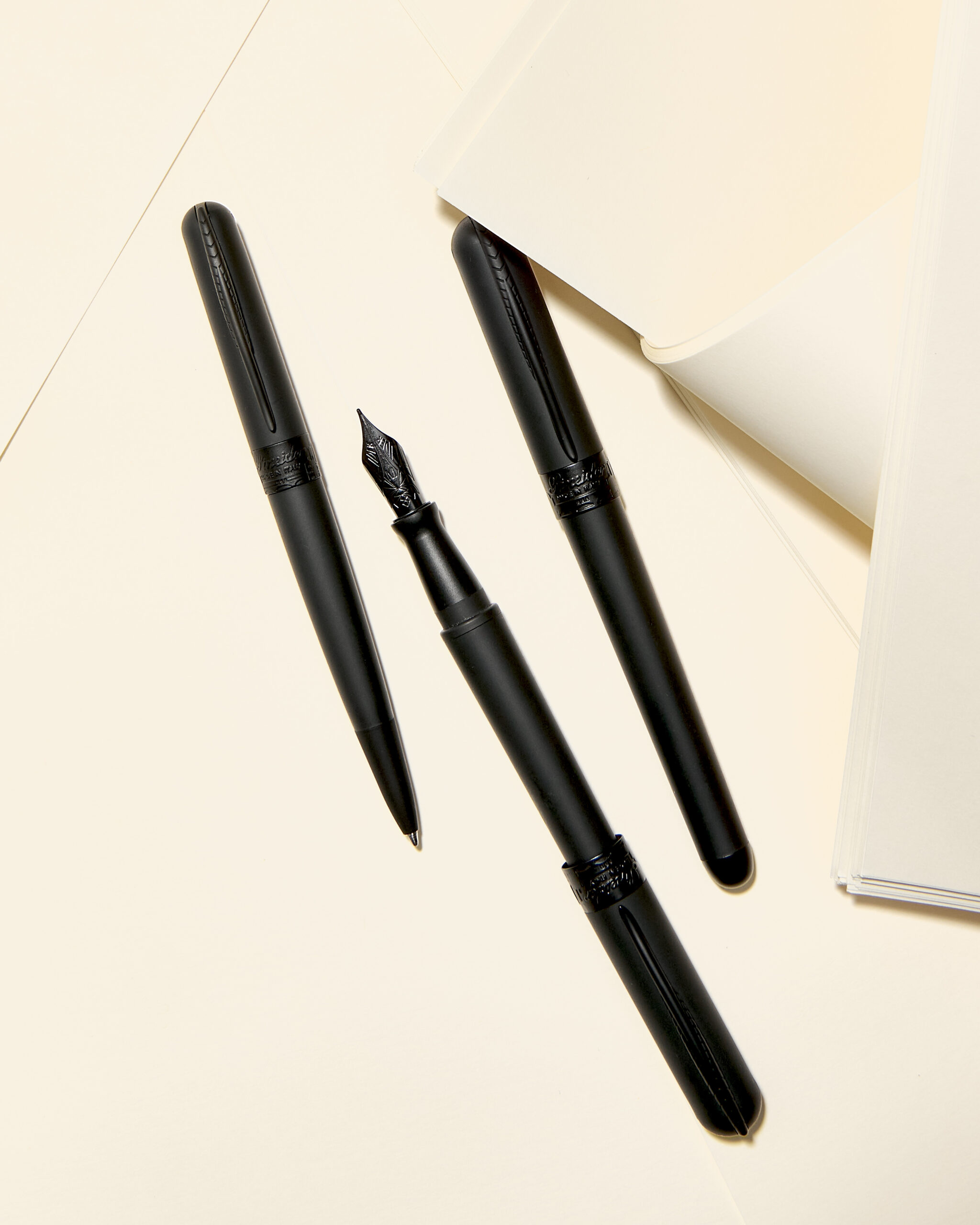
Writing is a gesture that moves through time with natural elegance, becoming each time a deeply personal experience. Even in a world dominated by screens and keyboards, choosing a pen remains a conscious act: not only functional, but expressive. In the comparison between fountain pen vs roller pen vs ballpoint pen, each writing instrument reflects a different relationship with gesture, rhythm, and paper. Choosing one over another means identifying the tool that best matches one’s writing style and personal approach to communication. The collections by Pineider reinterpret these three great writing traditions through premium materials, timeless Italian elegance, and a refined balance between craftsmanship and innovation. The fountain pen: the pleasure of slow writing Among all writing instruments, the fountain pen remains the most ritualistic and expressive form of writing. Its line emerges from the direct encounter between nib and paper: ink flows naturally the stroke subtly changes with movement the gesture becomes more intentional Writing with a fountain pen means slowing down and giving greater attention to words. Why choose a fountain pen more personal writing experience exceptional ink flow elegant stroke richer sensory connection with paper ideal for signatures and slow writing The Pineider Fountain Pens combine tradition and contemporary engineering, enhancing the direct relationship between hand, ink, and paper. The rollerball pen: fluidity and balance The rollerball pen occupies an intermediate position between tradition and modern practicality. Thanks to liquid or gel ink, it offers: soft and continuous writing exceptional smoothness comfort during long writing sessions fluid sensation on paper While highly practical and immediate to use, it still preserves a refined and elegant writing experience. When to choose a rollerball pen The rollerball is ideal for: meetings everyday notes frequent signatures professional writing those seeking comfort and fluidity The Pineider Rollerball Pens represent a balanced synthesis of precision, design, and writing comfort. The ballpoint pen: practicality and reliability The ballpoint pen represents the most essential and versatile form of modern writing. Its denser ink mechanism guarantees: quick drying consistent reliability immediate writing performance minimal maintenance It is designed to accompany the writing gesture naturally and efficiently in every situation. Why choose a ballpoint pen everyday practicality fast writing consistent precision resistance to intensive use adaptability to any context The Pineider Ballpoint Pens reinterpret this essential writing instrument through sophisticated design, ergonomic balance, and timeless Made in Italy craftsmanship. Choosing a pen as a personal expression Every pen creates a different relationship with writing, influenced by paper type, writing rhythm, and context of use. The fountain pen emphasizes slowness and expressiveness, the rollerball prioritizes fluidity and comfort, while the ballpoint pen interprets writing in a more immediate and practical way. More than a technical decision, choosing between a fountain pen vs roller pen vs ballpoint pen reflects personal sensitivity and one’s relationship with time, attention, and gesture. Pen quality transforms the writing experience Regardless of the type of pen, what truly makes the difference is the overall quality of the object. Weight, balance, materials, tactile sensation, and smoothness on paper all directly influence the pleasure of writing. It is precisely through these details that a pen stops being merely functional and becomes a natural extension of personal expression. Discover the entire Pineider Luxury Pen collection where fountain pens, rollerball pens, and ballpoint pens meet through timeless Italian elegance, craftsmanship, and refined design. Aggiungi ai preferiti
What your wallet says about you
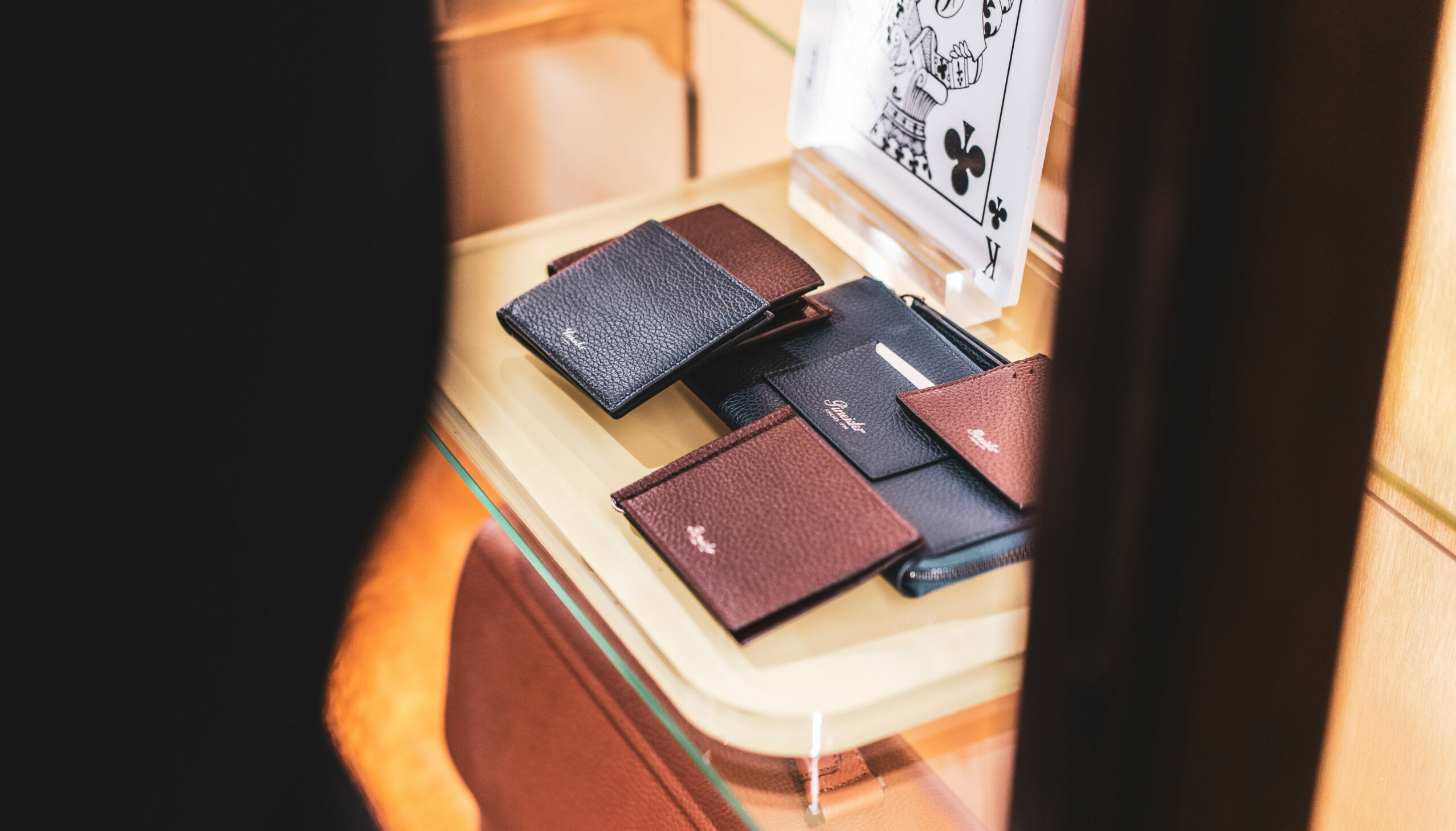
There is an object that accompanies everyday life discreetly, almost silently, yet speaks about us far more than we might imagine: the wallet. More than a simple holder for cards and cash, a wallet is a personal object shaped by habits, values, and identity. Through its materials, organization, and signs of wear, it quietly reflects personality, lifestyle, and attention to detail. The handcrafted leather wallets by Pineider embody this balance between elegance, craftsmanship, and timeless functionality, transforming a daily accessory into a refined expression of personal style. The wallet as an extension of identity The relationship between personal accessories and identity has long been explored through psychology, sociology, and emotional design. According to signaling theory, the objects we choose to carry communicate subtle messages about: Personal taste Attention to quality Lifestyle Organization Cultural identity The wallet occupies a unique position because it exists between the visible and the private. It is rarely displayed intentionally, yet constantly accompanies everyday gestures and decisions. For this reason, it often reveals more about personality than more obvious fashion accessories. Minimalist wallets and structured wallets: two different identities Different wallet styles often reflect different ways of approaching life and organization. The minimalist wallet A slim and understated leather wallet often suggests: Precision Control Essentialism Practicality Contemporary elegance It is usually chosen by individuals who value efficiency and simplicity, preferring to carry only what is truly necessary. The structured wallet A larger wallet filled with compartments, receipts, travel notes, photographs, and personal details becomes almost a portable archive. It may reflect: Emotional attachment Memory preservation Openness to experience Spontaneity A more expressive personality In both cases, the wallet becomes more than an accessory. It turns into a personal narrative carried every day. Pineider wallets and Italian leather craftsmanship Within this balance between aesthetics and function lies the tradition of Italian luxury leather craftsmanship. Pineider, a historic Florentine brand, has built its identity around the meeting point of: Craftsmanship Writing culture Luxury leather goods Timeless office accessories Made in Italy tradition In Pineider wallets, leather is not simply material, but a language. The surface evolves over time, developing a unique patina shaped by daily use and personal habits. Features of Pineider handcrafted wallets Premium leather materials Handcrafted finishes Elegant and timeless design Functional internal organization Florentine artisanal heritage Made in Italy quality Every detail reflects an approach centered on durability, refinement, and understated luxury. The meaning of leather and materials The texture and finish of leather also communicate subtle aspects of personality. What different leather finishes communicate Smooth leather suggests rigor and formal elegance Grained leather conveys resilience and adaptability Handcrafted finishes express appreciation for artisanal work and detail Natural leather possesses a unique quality: it changes over time. Every mark, fold, and tonal variation becomes part of the object’s personal history, transforming the wallet into something deeply individual. The wallet as a daily ritual In many cultures, the wallet carries a symbolic meaning connected not only to money, but also to personal balance and opportunity. For this reason, keeping it organized, choosing carefully what it contains and maintaining it with attention becomes almost ritualistic. Some theories of emotional design suggest that the objects touched most frequently throughout the day subtly influence feelings of stability, security, and emotional comfort. The wallet therefore becomes not just functional, but psychological and symbolic as well. A pocket sized self portrait Perhaps the true elegance of a wallet lies in its quiet consistency. It accompanies decisions, movement, travel, and daily exchanges while slowly absorbing traces of the person who carries it. For this reason, a wallet is never neutral. It becomes a kind of pocket sized self portrait shaped by materials, routines, memory, and identity. Perhaps this is where its true elegance lies: in the harmony between personal identity and the objects chosen to accompany everyday life. Discover the collection of Pineider Leather Wallets designed to combine timeless elegance, functionality, and authentic Italian craftsmanship. Aggiungi ai preferiti
Historic Florentine Football: tradition, identity and the bond with Pineider
Historic Florentine Football, also known as Calcio Storico, is one of Florence’s most iconic and deeply rooted traditions. More than a sport, it represents the city’s identity, collective spirit, and connection to its Renaissance heritage. Pineider 1774 and Historic Florentine Football share this same cultural foundation. Both were born in Florence and both preserve a tradition that continues to live through craftsmanship, ritual, and pride. While Calcio Storico Fiorentino embodies the most physical and spectacular soul of Florence, Pineider translates that heritage into elegance, artisanal excellence, and timeless Italian savoir-faire. What is Calcio Storico? For those wondering what is Calcio Storico, it is a historic Florentine game that combines elements of football, rugby, and wrestling into a unique and highly physical competition. The origins of Historic Florentine Football date back to the 16th century, although its roots are connected to ancient Roman games such as harpastum, played by legionaries for military training and competition. During the Renaissance, Florence transformed this game into a symbol of civic pride and identity, turning public matches into spectacular celebrations of the city. The origins of Historic Florentine Football One of the most symbolic moments in the history of Calcio Storico took place in 1530, during the siege of Florence by the troops of Charles V. Rather than surrendering to fear, the Florentines organized a match in Piazza Santa Croce. The event became far more than entertainment: it was a declaration of resistance, identity, and pride. This historic episode remains one of the strongest symbols associated with Historic Florentine Football today. From Renaissance tradition to modern revival After its popularity between the 16th and 17th centuries, Calcio Storico Fiorentino gradually declined and eventually disappeared during the 18th century. It was only in the 20th century that the Municipality of Florence revived the tradition, transforming it into the internationally recognized cultural event celebrated every June. Today, the tournament follows a traditional schedule: Official draw at Easter Semifinals in June Final match on June 24th, the feast day of Saint John, Florence’s patron saint Rules and gameplay of Calcio Storico The rules of Historic Florentine Football make this discipline unique in the world. The sport combines: football rugby combat sports tactical team play Each team consists of 27 players, known as calcianti, selected from the historic districts of Florence. The match lasts 50 minutes and is played on a sand-covered field in Piazza Santa Croce. Teams score points, called cacce, by carrying the ball beyond the opponent’s end line. Key characteristics of Historic Florentine Football Full-contact gameplay Sand arena in Piazza Santa Croce Strategic formations and physical endurance Strong connection to Renaissance traditions Although the game is famously intense and often brutal, the rules have evolved over time to preserve the original spirit while ensuring greater safety. Historic football clubs and Florence’s districts The four historic football clubs of Calcio Storico represent the city’s ancient districts. Each team carries centuries of rivalry, pride, and neighborhood identity. Bianchi of Santo Spirito Representing Florence’s Oltrarno district, the Bianchi are known for their rebellious spirit, artistic heritage, and physical resistance. Rossi of Santa Maria Novella Located near Florence’s central station, the Rossi are recognized for unity, determination, and aggressive teamwork. Azzurri of Santa Croce The Azzurri play symbolically “at home,” as matches take place in Piazza Santa Croce. They are famous for technical and strategic gameplay. Verdi of San Giovanni Representing the historic center surrounding Florence Cathedral, the Verdi are known for their aggressive style and deep connection to the origins of Calcio Storico. Piazza Santa Croce: the heart of Historic Florentine Football Every year, Piazza Santa Croce becomes the symbolic center of Historic Florentine Football. Before each match, a spectacular Renaissance parade crosses the city with: historical costumes flags drums and musicians traditional ceremonies This transforms Calcio Storico into far more than a sporting competition. It becomes a cultural experience blending: history spectacle tradition Florentine identity Pineider and Historic Florentine Football: two expressions of Florence If Historic Florentine Football represents the energetic and theatrical side of Florence, Pineider embodies its quieter refinement. At first glance, the intensity of a match in Piazza Santa Croce and the calm atmosphere of an artisan workshop may appear worlds apart. Yet both preserve the same essential value: the ability of Florence to transform tradition into a living contemporary experience. A Pineider parchment celebrating Calcio Storico This year, these two Florentine worlds will meet in a special project dedicated to Historic Florentine Football. Pineider will create a handcrafted parchment designed to celebrate the values shared by both traditions: Florentine identity Italian artisanal excellence cultural continuity respect for history and craftsmanship The project symbolizes the meeting between two iconic expressions of Florence, united by a common heritage and a timeless connection to tradition. Aggiungi ai preferiti

Bag or backpack? The perfect companion for your day
Every morning, among the small choices that define personal style, there is one that often goes unnoticed yet reveals far more than it seems: bag or backpack? It is not simply a matter of practicality, but also of attitude, comfort, and the way we choose to move through the day. In the world of Pineider, this choice becomes even more meaningful. Both bags and backpacks share the same philosophy: understated elegance, premium materials, and essential design created to accompany everyday life with natural sophistication. Bag or backpack: which should you choose? When deciding between a bag or a backpack, the answer depends above all on your lifestyle, your daily commitments, and the feeling you want to experience throughout the day. The bag: elegance and structure The bag possesses a natural and timeless elegance. Carried by hand or at the side, it complements movement with refinement and balance, becoming part of a more formal and organized style. It is the ideal choice for those who want to: keep everything organized; maintain a polished and professional look; elevate business or smart-casual outfits; carry essentials with elegance. Pineider artisan bags express this philosophy through: soft premium leather; clean and essential lines; understated yet distinctive details; Italian craftsmanship. The backpack: freedom and contemporary functionality In recent years, the backpack has become an essential accessory in both urban and business environments. No longer reserved for travel or leisure, it has evolved into a sophisticated and versatile everyday companion. Choosing a backpack means prioritizing: freedom of movement; all-day comfort; balanced weight distribution; practicality while commuting or traveling. Pineider leather backpacks combine functionality with understated luxury, adapting effortlessly to professional settings as well as more casual moments. Comfort, well-being, and practicality Research exploring the relationship between everyday objects and personal well-being suggests that comfort can influence how we experience the day. Weight, balance, and ease of access to personal belongings all contribute to daily comfort and perception. For this reason, choosing between a bag or a backpack also means finding the right balance between: aesthetics; ergonomics; functionality; practicality. A thoughtfully designed accessory does more than carry belongings. It improves the way we experience time and space. Pineider’s understated elegance At Pineider, the distinction between bag and backpack becomes fluid. Both belong to the same aesthetic language: premium leather craftsmanship; harmonious proportions; Italian artisanal tradition; refined details; contemporary essential design. There is no absolute right choice. There is simply the accessory that best suits your lifestyle and the way you choose to live your day. Bag or backpack? Your choice reflects your style Ultimately, choosing between a bag or a backpack also means choosing how you want to face the world: with structure and order; with freedom and movement. When an accessory is thoughtfully designed with quality and aesthetic vision, it does not impose a style. It naturally accompanies yours. Discover the collection of luxury artisanal leather goods by Pineider 1774 and find the perfect companion for tomorrow. Aggiungi ai preferiti
Graduation: a guide to gifts that last over time
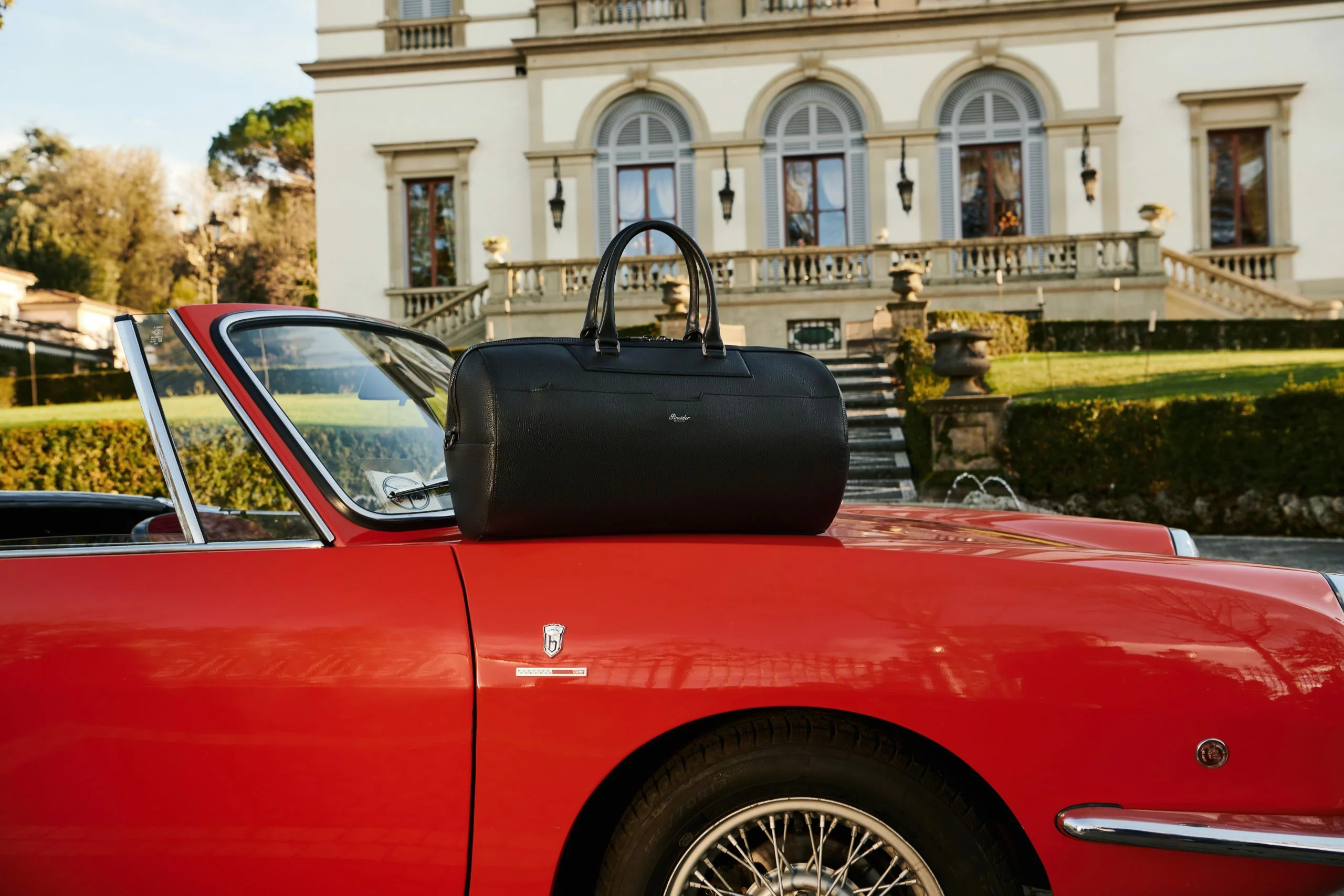
There are moments that mark a clear transition, a threshold between what has been and what is beginning to take shape. Graduation is one of them. It does not simply represent the conclusion of a journey, but the opening toward new possibilities built over time through commitment, dedication, and conscious choices. For this reason, choosing a graduation gift means going beyond the object itself and finding something capable of accompanying the person who receives it over time. Ideas for graduation gifts: choosing something that lasts Among the best ideas for graduation gifts, the most meaningful are often those that preserve their value over time. Rather than surprising in the immediate moment, a graduation gift should: accompany a new phase of life become part of everyday routines evolve with experience preserve the memory of an important achievement This is where authentic materials, artisanal craftsmanship, and objects designed to endure become essential. Leather accessories: elegance that evolves over time Leather accessories represent some of the most refined ideas for graduation gifts. Leather possesses a unique quality: it changes over time develops a personal patina gains depth and character reflects the experience of the person using it Bags, briefcases, wallets, and notebooks become far more than simple functional objects. In the creations by Pineider, Florentine leather craftsmanship combines elegance, functionality, and premium materials designed to accompany the transition into professional life. Elegant and professional graduation gift ideas by Pineider For many people, graduation coincides with entering the professional world. In these cases, a thoughtful graduation gift becomes an object capable of accompanying first professional experiences with style and quality. luxury writing instruments such as elegant Pineider Fountain Pens, Rollerball Pens, and Ballpoint Pens artisanal planners such as the Daily Diary Milano leather briefcases such as the Slim Briefcase premium notebooks such as the Milano Notebook Made in Italy wallets such as the soft Leather Pineider Wallets These objects are not defined solely by functionality, but by balance, presence, and attention to detail. Quality can be recognized in: stitching materials balance and weight proportions artisanal finishes These are the details that allow an object to endure gracefully over time. The value of personalization Every graduation gift gains deeper meaning through personalization. An initial, a date, or a discreet engraving transforms an object into something unique and personal. Personalization is not merely decorative, but a gesture that fixes a moment in time and makes it part of the object itself. Among the most appreciated options: engravings on pens initials on leather accessories calligraphic details custom finishes Objects that preserve memory and meaning Some gifts are designed for everyday use, while others preserve the symbolic value of an important milestone. In both cases, quality makes the difference. A well-crafted object does not fear the passing of time: it evolves without losing identity maintains elegance and functionality gains character through use It is precisely this ability to transform that makes certain objects especially suited to celebrating graduation. Ideas for graduation gifts: choosing with intention Choosing among the many ideas for graduation gifts means privileging authenticity, premium materials, and objects designed to be truly lived with over time. Because a gift connected to such an important milestone is never simply something received. It is something that grows, changes, and continues to tell the story of that achievement through the years. Discover all the Pineider graduation gift ideas featuring luxury pens, handcrafted leather goods, Made in Italy accessories, and elegant objects designed to accompany every new beginning with style and personality. Aggiungi ai preferiti
How to clean leather goods and preserve their elegance over time
Leather is a living material. Noble, sensitive, and capable of telling the passage of time through nuances, creases, and patinas that enhance its natural beauty. Every leather accessory, whether a bag, wallet, or refined furnishing element, carries a story shaped by everyday gestures, travel, and personal habits. Cleaning leather is therefore not simply about maintenance, but about preserving the character and elegance of a material designed to evolve gracefully over time. How to clean leather goods properly The beauty of leather is preserved through balance and restraint. The main elements that can damage leather include: direct heat humidity prolonged exposure to sunlight aggressive chemical products Proper maintenance helps preserve softness, color, and the natural structure of the material. Cleaning leather goods often begins with very simple gestures. For ordinary maintenance, it is recommended to use: a soft light colored cloth lukewarm water gentle neutral soap Before applying any product, it is always advisable to test it on a hidden area, since every leather finish reacts differently depending on its treatment and craftsmanship. Recommended cleaning method prepare a solution with one part neutral soap and ten parts water apply gently using a soft cloth avoid excessive pressure rinse carefully allow the leather to dry naturally Leather should never be dried near radiators or direct heat sources, as excessive heat may stiffen or damage the material. Removing stains from leather Removing stains from leather quickly and delicately is essential. When treated promptly, many stains can be minimized without leaving permanent marks. Basic rules for stain removal blot immediately never rub aggressively avoid harsh solvents use only delicate solutions Removing marks from leather according to the type of stain Different stains require different approaches. For oily marks: use a dry soft cloth blot gently avoid water during the initial treatment In case of surface dirt or light stains, the following may be sufficient: lukewarm water a soft cloth gentle and controlled movements For ink stains, discoloration or deep marks it is often preferable to rely on professional leather specialists. This choice reflects respect for fine handcrafted materials and helps preserve the integrity of luxury leather goods. Pineider leathers and their characteristics Every leather tells a different story and requires specific care. The leather collections by Pineider are crafted through refined Italian techniques that combine elegance, durability, and artisanal expertise. Tumbled calfskin Naturally characterized by small imperfections that emphasize authenticity. Over time it develops: elegant patina increased softness deeper color richness Minor scratches can often be softened using a dry and delicate cloth. Mini Franzi calfskin A Saffiano printed calfskin distinguished by: cross hatched diagonal texture final wax treatment resistance to water and scratches greater practicality for everyday use Despite its durability, it maintains the elegance typical of luxury leather craftsmanship. Smooth calfskin Recognizable for its soft and velvety surface. With everyday use it develops: warm natural patina enhanced softness deeper tonal character Minor marks and micro scratches may be reduced gently with a soft dry cloth. How to preserve leather goods over time Maintaining leather in excellent condition does not require extraordinary interventions, but regular attention. Daily leather care recommendations frequent light cleaning periodic application of nourishing creams or waxes proper storage using breathable dust bags internal supports to preserve shape protection from direct sunlight and humidity Even delicate remedies such as cleansing milk or carefully balanced natural products can help maintain softness and luminosity. Leather as a material that evolves with time A leather bag, wallet, or handcrafted accessory is never static. Leather changes, adapts, and evolves together with the person who uses it. Its imperfections become distinctive marks, while its patina becomes evidence of authenticity and lived experience. Caring for leather means accepting its natural evolution and accompanying it with thoughtful gestures and attention. Because true elegance does not lie in immutable perfection, but in the ability to move gracefully through time. And few materials embody this philosophy as naturally as leather. Discover the Pineider collection of Handcrafted Luxury Leather Goods, where Made in Italy craftsmanship, premium materials, and timeless elegance come together in creations designed to endure over time. Aggiungi ai preferiti