Daily or weekly planner: which one should you choose?
23 September 2026Choosing a planner means choosing the rhythm with which you organise your time. A daily or weekly planner does not simply offer a different page layout, but reflects two distinct ways of approaching appointments, commitments and projects. If you are wondering “should I use a weekly or daily planner?”, the main difference lies in the level of detail you need. A daily planner provides more space for each individual date and is ideal for those with appointment-filled days, those who want to record activities and deadlines in detail, or anyone who uses handwriting as a tool for organisation and reflection. Having a page dedicated to each day makes it easier to structure priorities precisely while leaving more freedom for notes and personal thoughts. A weekly planner, on the other hand, allows several days to be viewed at once, making it easier to compare commitments and quickly identify available time. It is particularly well suited to professional planning, travel and anyone who prefers a more concise and immediate overview of the week. Whichever daily or weekly planner you choose, Pineider brings more than two centuries of Florentine papermaking tradition to this everyday ritual. Smooth and resistant, Pineider paper is optimised for fountain pens, rollerballs and pencils, produced from selected raw materials and distinguished by the Maison’s signature watermark. Planning therefore becomes an experience that combines functionality, fine materials and the pleasure of handwriting. Pineider planners: three collections, three interpretations of style Whatever layout you prefer, Pineider interprets the planner as a personal object in which functionality and elegance come together through selected leathers, fine paper, carefully crafted finishes and details inspired by Florentine tradition. Each collection expresses a different aesthetic sensibility while maintaining the quality of the writing experience and the possibility of personalising the cover with hot-stamped initials. Milano: essential and professional elegance The Milano collection is defined by its Saffiano leather cover, recognisable for its refined cross-hatched texture. Resistant to scratches and everyday wear, it maintains its structure over time and adapts naturally to both professional and personal settings. The collection is available in two sizes: Large (17 × 24 cm), available in both daily and weekly layouts, in Black, Blue, Bordeaux, Pineider Green, Light Blue, Fuxia and Orange. Small (11 × 16 cm), available in weekly layout, in Black, Fuxia, Light Blue, Orange and Fire Red. Its clean proportions and understated aesthetic make Milano a versatile choice for those seeking a refined, functional and discreet planner. Pop: colour and personality for everyday planning The Pop collection offers a more contemporary and expressive interpretation of the Pineider planner. Its grained calfskin cover has a soft, tactile texture that develops warmth and character through everyday use. Colour becomes an integral part of the collection’s identity, allowing the planner to reflect personal style as well as practical needs. Pop is available in: Medium (14.5 × 21 cm), available in both daily and weekly layouts, in Black, Blue, Bordeaux, Pineider Green, Tan, Fire Red, Lilac, Azul, Orange and Lime. Small (11 × 16 cm), available in daily layout, in Black, Bordeaux, Fire Red, Lilac, Azul and Lime. An elastic closure completes a design conceived to be practical to use and easy to carry, while preserving the craftsmanship and material quality associated with the Maison. Firenze: a tribute to the origins of the Maison The Firenze collection celebrates the city where Pineider was founded in 1774 and presents the planner in its most essential and representative form. Its smooth calfskin cover has a clean, refined surface enhanced by a subtle degradé motif inspired by Pineider’s historic watermark. At its centre, the embossed Pineider crest becomes a discreet mark of provenance and continuity with the Maison’s Florentine heritage. Firenze is available exclusively in large (17 × 24 cm) format, in both daily and weekly layouts, in Wine Red. A deliberately essential choice for those seeking an authoritative and timeless object in which paper, leather and proportion express more than two centuries of Made in Italy writing culture. Pineider paper refills: renew the pages, preserve the planner Pineider paper refills make it possible to replace only the inside of the planner while keeping the leather cover already chosen and personalised. Available in both daily and weekly layouts, they preserve the same Pineider paper quality and writing experience as the original planners. The cover can therefore continue to accompany the years, developing character through use, while only the pages are renewed. It is an approach consistent with a more conscious idea of luxury: valuing an object designed to last rather than replacing it, while renewing the ritual of planning each year. Choosing the right planner means choosing your own rhythm The difference between a daily and weekly planner is not simply about page layout, but about how each person prefers to give structure to their commitments. A daily planner is designed for those who want space, detail and freedom to write; a weekly planner suits those who prefer synthesis, immediacy and a broader view. Whichever daily or weekly planner you choose, Pineider brings its distinctive vision of fine stationery to every format through watermarked paper, selected leathers, Made in Italy craftsmanship and personalisation. Each planner is also enriched by an eight-page illustrated insert dedicated to the origins of the Maison and its relationship with Florence, creating a small visual narrative that brings together history, creativity and artisanal culture. Because organising time is a practical gesture, but choosing the object through which to do it can become a personal expression of style. Aggiungi ai preferiti
Pineider and Dolce Vita Ladies Club: A Workshop in Milan Between Paper, Leather and Memory
9 September 2026Last August 29th, Milan became a meeting point between paper, leather, creativity and memory, on the occasion of a Pineider workshop held in collaboration with Dolce Vita Ladies Club. The true protagonists of the experience were these two materials themselves, paper and leather, genuine creative elements capable of transforming, page after page, into personal stories. Guiding participants through this creative journey was artist Yansu Wang, who has long been part of Pineider’s path through her junk journaling workshops, born as an invitation to pause, observe, collect and choose. To give new meaning to what usually goes unnoticed. It is from this idea that the workshop was born, organized by Pineider last August 29th in Milan in collaboration with Dolce Vita Ladies Club, an international community bringing together women united by a passion for beauty, culture, personal growth and authentic experiences. For the occasion, guests were guided by Yansu Wang in creating a picture diary: a personal story built through images, paper and small leather elements, materials chosen as true creative protagonists, capable of holding a memory or telling a moment. Paper and Leather as a Space for Self-Expression The workshop led participants to rediscover paper and leather not simply as surfaces to write on, but as creative elements in their own right: living matter, open to memory and personal expression. Under Yansu Wang’s guidance, images, paper and leather found new connections, transforming page after page into personal compositions. The act of cutting, layering, gluing and composing gave life to diaries that were all different from one another, each an expression of an individual sensibility and story, in which paper and leather become the very language of the narrative. This is precisely at the heart of Yansu Wang’s research: transforming fragments of everyday life into visual narratives. Her practice, developed through collage, paper, pop-ups and reclaimed materials, explores themes such as memory, identity and intimacy, with paper always at the center as the primary material of expression. A Language That Unites Pineider and Yansu Wang The relationship with Yansu Wang is a creative dialogue that Pineider has been cultivating for some time. The collaboration found one of its most meaningful expressions in junk journaling, a practice that starts from seemingly ordinary materials (photographs, tickets, clippings, letters, receipts and other fragments of everyday life) to transform them into something new, with paper and leather as the connecting threads. The relationship between the artist and Pineider stems precisely from the meeting of two worlds that are only seemingly distant: on one side, the tradition of paper and leather craftsmanship; on the other, a contemporary language that uses these very materials to tell experiences, emotions and memories. This encounter has already been explored through the project It’s All Paperwork, which saw Yansu Wang working with Pineider on the relationship between collage, pop-up and paper. A Moment of Creativity and Connection In Milan, the workshop became something more than a creative workshop: the time devoted to journaling, between paper and leather, created a space for sharing and connection, in keeping with the philosophy of Dolce Vita Ladies Club: creating occasions where beauty, relationships and personal growth can come together. Each page became a small exercise in attention: choosing an image, pairing two papers, working a fragment of leather, leaving room for a memory. Simple gestures that, once brought together, can transform into a surprisingly personal narrative, with paper and leather as the true protagonists of the entire creative experience. Aggiungi ai preferiti

Pineider and The Robin: An Evening Celebrating Creativity with Yansu Wang
10 August 2026On July 23rd, the Pineider boutique at Via Manzoni 12 in Milan opened its doors to an experience celebrating paper as a tool for expression, memory, and connection. In collaboration with The Robin, an exclusive international community bringing together figures from the worlds of art, culture, design, and entrepreneurship, Pineider hosted a junk journaling workshop led by artist Yansu Wang. In an intimate and convivial atmosphere, guests took part in a creative journey in which fragments of paper, photographs, cutouts, letters, and small everyday objects were transformed into personal visual stories. It was an invitation to slow down, observe, and rediscover the pleasure of working with one’s hands, through an artistic practice that restores value to the stories held within objects and emotions. Yansu Wang’s work, which has always centered on the dialogue between paper, memory, and identity, guided participants in creating unique pages built from collage, three-dimensional compositions, and details capable of giving shape to memories, impressions, and imagination. Each creation thus became a personal diary—authentic and one of a kind. For Pineider, guardian of the culture of writing and paper excellence for over two centuries, hosting initiatives like this one means carrying forward a tradition that looks to the future. Paper is not merely a medium, but a meeting point between creativity, craftsmanship, and thought—capable of inspiring new forms of contemporary expression. The collaboration with The Robin helped make the evening an occasion for dialogue and sharing, bringing together a community united by a passion for beauty, culture, and authentic experiences. It was a gathering in which time devoted to creation also became time devoted to relationships, the exchange of ideas, and the discovery of new perspectives. The July 23rd event confirms the role of the Pineider boutique on Via Manzoni as a living space open to the cross-pollination of art, design, and culture—a place where the tradition of craftsmanship meets contemporary languages, and where every event becomes an opportunity to rediscover the value of gestures, materials, and the stories that tell us who we are. Aggiungi ai preferiti
Pineider People: Caterina Scardillo and the Enduring Beauty of the Written Gesture
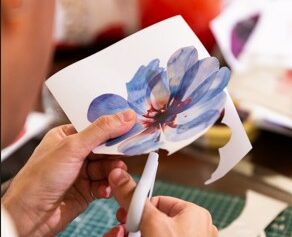
18 June 2026In the fourth episode of Pineider People, we meet Caterina Scardillo, a calligrapher, lettering artist, and scholar of historical scripts. A profession born from a fascination with the form of letters, yet rooted in something far deeper: the desire to understand the timeless relationship between human beings and the written word. (scardillo.com) In an age dominated by speed, Caterina has chosen a different path—one shaped by slowness, observation, and daily practice. Every stroke of the pen demands attention; every letter emerges from a delicate balance of gesture, rhythm, and intention. In this way, calligraphy becomes much more than a technique: it becomes an exercise in presence. Her story reminds us that handwriting is not merely a means of communication, but a language capable of expressing identity, memory, and culture. Through her studies in paleography and historical scripts, Caterina has dedicated years to researching the origins of the signs and letterforms we still use today, rediscovering the value of a tradition that continues to speak powerfully to the present. Every handwritten letter carries something unique and unrepeatable: a slight imperfection, a variation in pressure, an almost imperceptible nuance that reveals the presence of the person who created it. It is precisely this individuality that makes writing such a profoundly human gesture. For Caterina, the beauty of calligraphy lies in its ability to slow down time. When pen meets paper, the noise of the world seems to fade away. What remains is the mark, the breath, and the attention. An intimate moment that restores meaning not only to words themselves, but also to the way we choose to share them with others. It is no coincidence that her journey often intersects with that of Pineider. For centuries, the Maison has celebrated writing as both a cultural and personal experience—a gesture capable of transforming thoughts and emotions into something tangible and enduring. Through workshops and events dedicated to calligraphy, Caterina helps keep alive a tradition that continues to inspire and captivate new generations of enthusiasts. Her story perfectly embodies the spirit of Pineider People: the belief that the value of things lies not in their speed, but in their ability to endure. Within a handwritten page or a finely crafted leather-bound notebook coexist past and future, memory and imagination, tradition and modernity. Because writing is not simply about leaving a mark on paper. It is about leaving a trace of oneself. Aggiungi ai preferiti

ALBA: Pineider’s new pen collection celebrating the luxury of time
17 June 2026There is a moment in the day when everything slows. The light shifts gradually, the silence feels deeper, and every gesture takes on a different meaning. It is dawn — a suspended time, delicate and authentic. From this image, ALBA is born: the new collection of writing instruments by Pineider 1774. A collection that does not simply reinterpret the idea of the pen, but invites us to rediscover the very value of writing as a personal, sensory and mindful experience. In an age defined by speed and homogeneity, ALBA chooses a different direction. It chooses living material, real contact, the slow time of gestures that endure. The material as narrative: galalith At the heart of the collection is galalith — an organic material derived from milk casein, known between the late 19th and early 20th century for the creation of precious objects and art jewellery. Natural, luminous and surprisingly warm to the touch, galalith possesses a singular quality: it responds to light and craftsmanship in a way that is never the same twice. Every vein, every nuance, every detail is unrepeatable. No two pens will ever be identical. With ALBA, Pineider revives this rare material and brings it back to where it naturally belongs: writing. Not as a nostalgic exercise, but as the expression of a new idea of luxury. More understated. More personal. More authentic. Two souls, one vision ALBA represents one of the most significant projects of recent years for the Florentine maison. The collection is built around two complementary lines — Classic and Mini — which interpret the same aesthetic universe through different proportions and modes of use. The Classic line embodies the full iconic presence of the traditional pen: generous volumes, timeless elegance and a strong materiality that draws out the depth of galalith. It is designed for those who experience writing as a daily ritual — a gesture to be savoured slowly. The Mini line, by contrast, reimagines the collection in a more compact and essential form. Agile, contemporary, designed to accompany movement and everyday life without sacrificing the sophisticated, tactile character of ALBA. Small in scale, but intense in presence. The pleasure of slow gestures Every detail of the collection has been crafted to create a direct relationship with the writer. The warmth of the material between the fingers, the perfectly balanced weight, the magnetic sound of the patented Twist Magnetic Lock closure — everything contributes to transforming writing into a concrete and deeply sensory experience. Opening a pen, closing it slowly, feeling the contact of the surface, letting the ink flow across the paper. ALBA is born from precisely this idea: restoring meaning to the gestures that ask us to take our time. Aggiungi ai preferiti

How to clean fountain pen nibs: care and maintenance tips
15 June 2026A fountain pen is not merely a writing instrument, but a refined companion capable of transforming every gesture into an elegant and personal experience. At the heart of this experience lies the nib, the essential element responsible for smoothness, precision, and writing pleasure. Understanding how to clean fountain pen nibs is fundamental for preserving their performance, durability, and writing quality over time. Proper maintenance ensures a consistent ink flow while preventing clogging, residue buildup, and interruptions in writing. Pineider nibs: materials and craftsmanship Every nib is designed to create a direct connection between hand, ink, and paper. Pineider primarily distinguishes between two types of nibs. The stainless Steel nib offers: Durability Reliability Precision Consistent writing performance They are ideal for everyday use and for writers seeking stable and dependable writing instruments. The renowned Quill Nibs 14 kt gold provide a softer and more responsive writing experience. Their main characteristics include: Greater nib sensitivity Subtle elasticity Generous ink flow Dynamic response to hand movement The result is a fluid, elegant, and naturally expressive writing experience. Fountain pen nib sizes and writing styles Different nib grades allow fountain pens to adapt to individual writing preferences and styles. Main nib sizes Extra Fine (EF) for extremely precise lines Fine (F) for elegant and controlled writing Medium (M) for balanced smoothness and versatility Broad (B) for richer and deeper strokes Stub (S) for line variation and expressive character Each nib changes the interaction between paper, ink, and movement, transforming writing into a unique sensory experience. How to clean fountain pen nibs properly Knowing how to clean fountain pen nibs correctly is essential for preserving both the functionality and beauty of the writing instrument. Routine cleaning should be performed regularly, especially: When changing ink After long periods of inactivity If ink flow becomes inconsistent When residue or clogging appears For regular maintenance, it is recommended to: Remove the cartridge or converter Disassemble the writing unit if possible Immerse the nib in room temperature water Prefer distilled water when available Avoid aggressive chemical products The ink will gradually dissolve into the water. To facilitate the process, you may gently use: A pipette A syringe without a needle Rinsing should continue until the water becomes completely clear. Proper drying after cleaning After washing, the nib must be dried carefully. It is recommended to: Place the nib upright Use a soft absorbent cloth Allow residual moisture to evaporate naturally Proper drying prevents water accumulation and protects the internal components of the fountain pen. Deep cleaning for clogged fountain pens When a fountain pen remains unused for extended periods or develops stubborn ink deposits, a more thorough cleaning becomes necessary: Disassemble the barrel, section, and ni Soak components separately in wate Replace the water multiple time Remove all remaining ink residue completely For persistent buildup, a mild cleaning solution may be used: Approximately 250 ml of water Approximately 5 ml of vinegar An overnight soak can help dissolve stubborn ink deposits without damaging the pen’s materials. After soaking, all components should be: Carefully rinsed Completely air dried Positioned vertically while drying Daily habits that preserve fountain pen nibs Simple daily habits significantly improve the longevity and writing quality of fountain pens: Store the pen with the nib facing upward Release a few drops after refilling Clean the feed carefully after use Use high quality fountain pen ink Write regularly to maintain smooth flow These small precautions help prevent clogging while preserving smooth and elegant writing performance. Cleaning fountain pen nibs as part of the writing tradition Cleaning a fountain pen is not only about maintaining functionality. It is also part of a tradition rooted in craftsmanship, attention, and the appreciation of fine writing instruments. In a fast paced digital world, caring for a fountain pen restores value to slower gestures and to objects designed to last over time. Because writing with a fountain pen is not simply a habit, but an experience that combines technique, elegance, and personal expression. Aggiungi ai preferiti
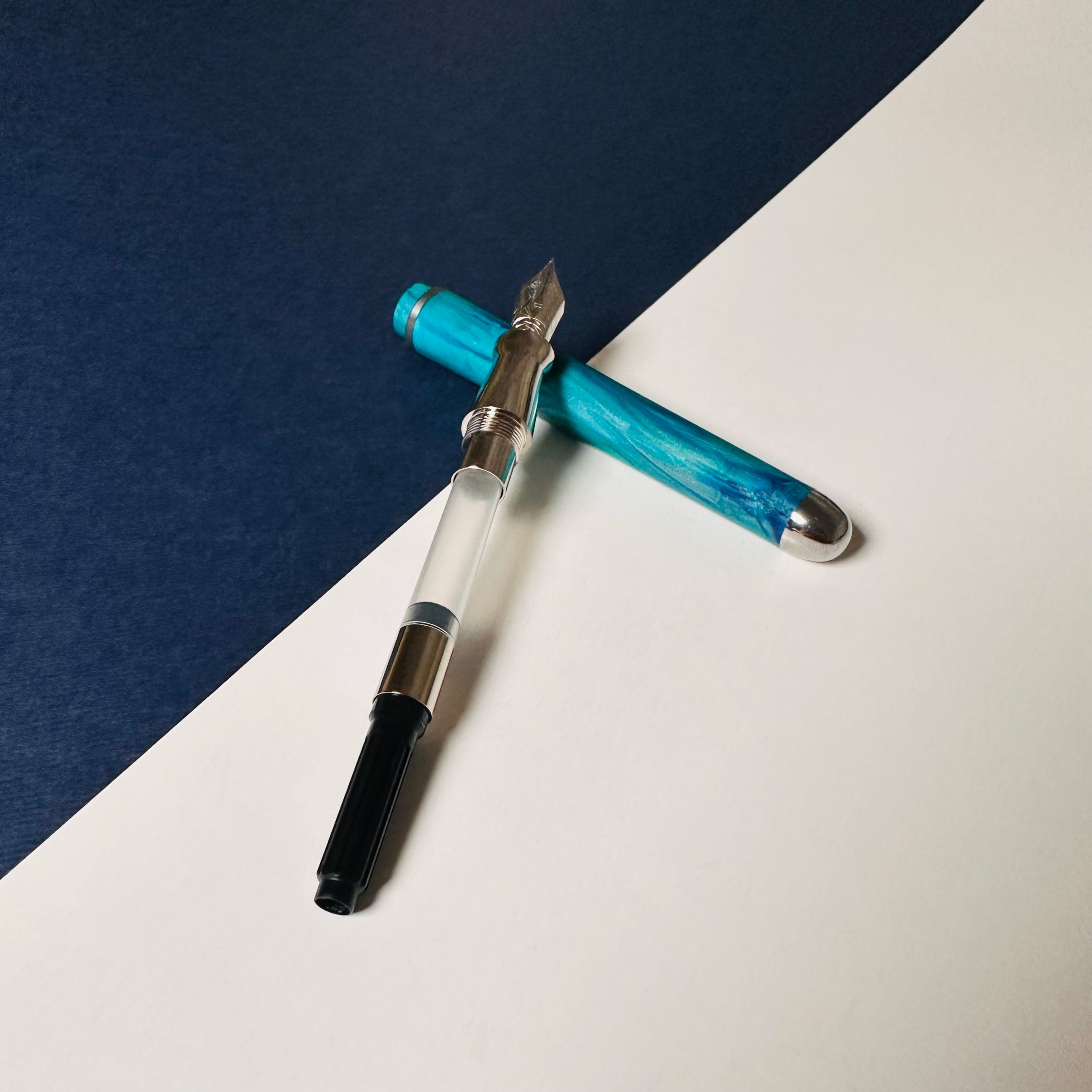
Medium nib: how to start writing with a fountain pen
The history of the nib is, ultimately, the history of writing itself. A journey spanning centuries of technical evolution, craftsmanship, and refinement, where every instrument has progressively shaped the human gesture of writing. For those discovering fountain pens today, the Medium nib remains the most natural and balanced starting point. Not only for technical reasons, but because it offers a smooth, stable, and intuitive writing experience ideal for beginners. The fountain pens by Pineider reinterpret this tradition through refined Italian craftsmanship, premium materials, and a contemporary approach focused on the pleasure of writing. From quills to modern fountain pen nibs Before the invention of the modern fountain pen, writing relied on simple tools such as: Reed pens Quills Dip pens These instruments were practical yet fragile, requiring constant maintenance and careful handling. Between the 18th and 19th centuries, the first metal nibs appeared, initially crafted from steel and designed to provide: Greater durability More consistent line quality Improved ink control With the arrival of the modern fountain pen in the late 19th century, partly thanks to Lewis Waterman’s innovations, the nib became part of a sophisticated writing system capable of combining functionality with writing pleasure. From that moment onward, fountain pen technology evolved through: 14 and 18 carat gold nibs Reinforced tipping alloys Advanced ink feeding systems Flexible writing structures Types of fountain pen nib and their characteristics Over time, different types of fountain pen nib emerged, each designed to create a specific writing experience and visual result. Main types of fountain pen nib Extra Fine (EF) for highly precise writing Fine (F) for balance between detail and smoothness Medium (M) for fluidity and versatility Broad (B) for richer and more expressive lines Stub and Italic nibs for calligraphy and decorative writing Each nib width influences: Ink flow Smoothness Line variation Writing comfort Expressiveness Among all these options, the Medium nib occupies a privileged position for those learning how to write with a fountain pen. Why the Medium nib is the best fountain pen nib for beginners Traditionally, the Medium nib is considered the best fountain pen nib for beginners because it offers an exceptional balance between control and freedom. Its slightly broader tip allows: Steadier ink flow Greater smoothness Fewer interruptions A softer writing experience More tolerance for inexperienced hands The Medium nib does not require excessive pressure or a perfectly calibrated angle. Instead, it naturally accompanies the writing gesture, making the transition from ballpoint pens to fountain pens much easier. For this reason, it is ideal for anyone looking to: Learn how to start writing with a fountain pen Develop smoother handwriting Improve writing comfort Discover the pleasure of ink on paper Discovering the sensation of fountain pen writing Writing with a Medium nib immediately reveals the difference between a fountain pen and more common writing instruments. You begin to notice: The continuity of the ink flow The softness of the line The fluid movement across paper The direct sensory connection between hand and page Writing stops being purely functional and becomes a slower, more intentional experience. In a fast paced digital world, learning how to start writing with a fountain pen means rediscovering attention, rhythm, and personal expression. Pineider nibs: craftsmanship and writing experience The philosophy behind Pineider views the nib not simply as a technical component, but as the heart of the writing experience itself. The collection of pen nibs is primarily divided into two categories. Stainless steel nibs The stainless steel nib provides: Reliability Precision Controlled rigidity Consistent performance Available in EF, F, and M grades, they are designed for everyday writing where stability and dependability are essential. 14 kt gold Quill Nib With its 14 kt gold Quill Nib, Pineider expresses a more refined and sensory approach to writing. Its defining characteristics include: Calibrated softness Subtle elasticity Generous ink flow A balance of lightness and control The result is a fluid and expressive writing experience designed not around technical performance alone, but around the pleasure of the gesture itself. Writing with a fountain pen as a daily ritual Choosing a Medium nib is not simply a practical decision. It is the most accessible and balanced way to enter the world of fountain pen writing without obstacles, guided by smoothness, elegance, and comfort. Because the true value of a fountain pen lies not only in the object itself, but in its ability to transform an everyday gesture into a moment of attention, balance, and style. Book your Pineider calligraphy course in Florence and discover the art of handwriting through timeless Made in Italy craftsmanship. Aggiungi ai preferiti
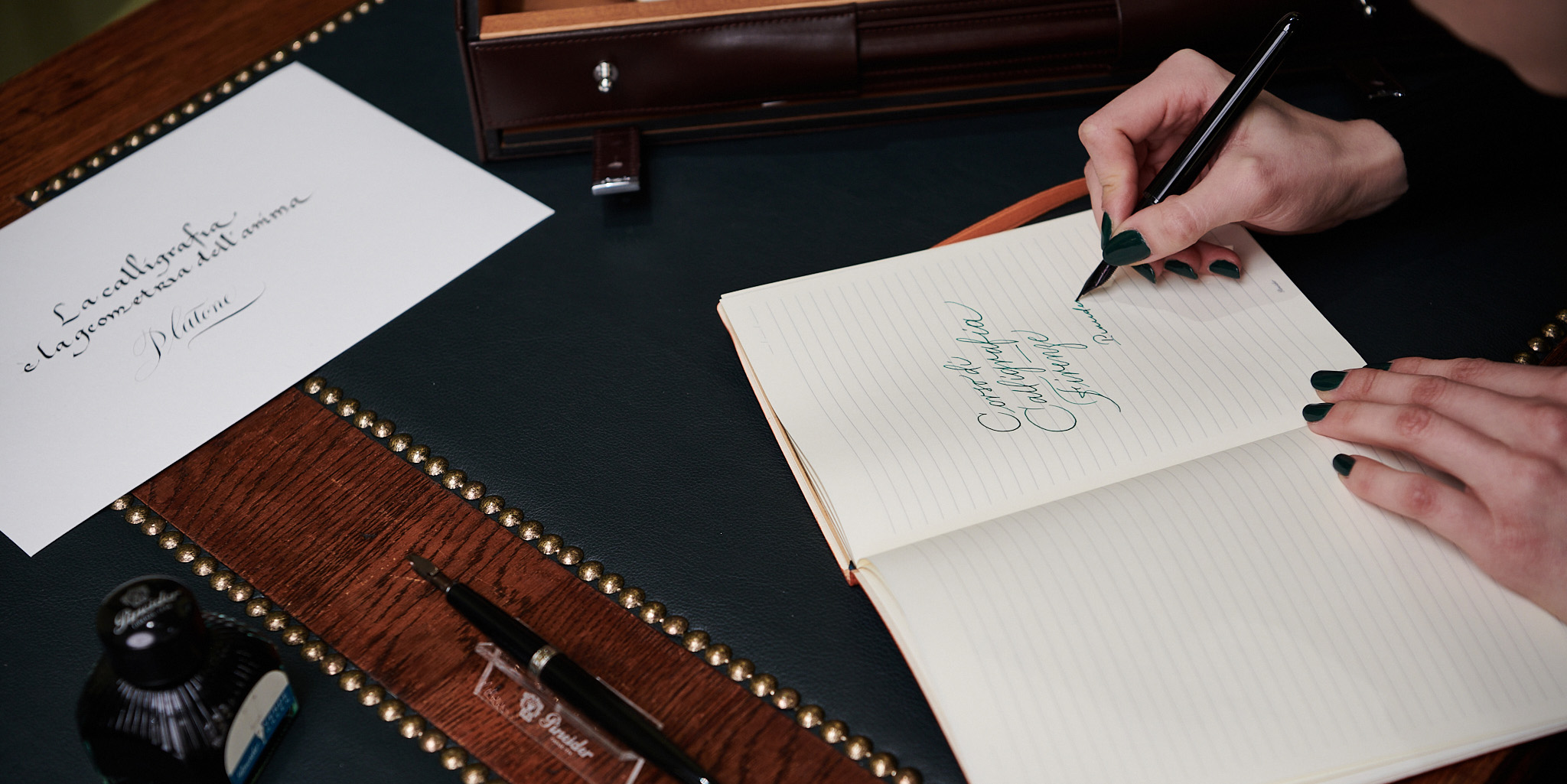
Fountain pen cartridges: a guide to filling systems and installation
In the world of calligraphy and fine writing, using a fountain pen means transforming a simple gesture into a more deliberate and personal experience. The quality of the ink, the smoothness of the nib, and the choice of fountain pen cartridges all influence the way the pen performs on paper. Behind the elegance of a fountain pen lies a small engineering system designed to manage ink with precision and consistency. Understanding the different filling mechanisms and knowing how to refill fountain pen ink cartridges is essential for preserving both writing quality and the longevity of the instrument. Fountain pen cartridges: why they matter Fountain pen cartridges are among the most widely used filling systems thanks to their practicality and ease of use. Unlike ordinary ballpoint pens, fountain pens require a more careful relationship with ink flow and maintenance. The type of cartridge used directly affects: writing smoothness ink consistency nib performance maintenance requirements the overall writing experience Choosing high-quality cartridges, such as those compatible with Pineider fountain pens, helps maintain a steady flow of ink while preventing interruptions or smudging. How to refill fountain pen ink cartridges Understanding the correct filling process is essential for using a fountain pen properly and preserving its performance over time. The process varies depending on the filling system adopted by the pen. Cartridge filling system: simple and practical The cartridge system is one of the easiest and most immediate solutions. To replace the cartridge: Unscrew the barrel of the pen carefully. Remove the empty cartridge. Insert the new cartridge until it clicks into place. Reassemble the pen. Allow a few moments for the ink to reach the nib. If necessary, make a few strokes on a sheet of paper to help the ink flow smoothly. This system is especially appreciated for: quick replacement clean refilling ease of use wide color variety For everyday writing, fountain pen cartridges offer an elegant yet highly practical solution. Piston filling system: tradition and autonomy The piston mechanism is considered one of the most refined systems, especially in high-end fountain pens. To refill the pen: Fully immerse the nib in bottled ink. Operate the piston mechanism to draw ink into the reservoir. Remove the pen from the ink and gently wipe the nib and grip section with a soft cloth. Check that the ink flow is consistent before writing. This system offers greater ink capacity and a more direct connection to the writing experience. Converter system: flexibility and convenience The converter represents a balance between bottled ink freedom and cartridge practicality. A converter: fits into the pen like a cartridge allows the use of bottled ink offers greater flexibility in color selection combines convenience with customization For many writers, it is the ideal compromise between practicality and creative freedom. Why fountain pens still matter today In a world dominated by digital speed, fountain pens continue to preserve a more authentic and mindful approach to writing. Using a fountain pen means: slowing down paying attention to movement valuing handwriting creating a deeper connection between thought, ink, and paper Even replacing fountain pen cartridges becomes part of a ritual that transforms writing into a more intentional experience. Tips for maintaining a fountain pen To keep a fountain pen working efficiently over time, it is important to: use compatible cartridges clean the nib regularly avoid letting ink dry inside the pen store the pen properly use high-quality ink Proper maintenance helps preserve fluidity, precision, and writing comfort. Fountain pen cartridges and the writing experience Choosing the right fountain pen cartridges can significantly improve the pleasure of writing. Whether using cartridge, piston, or converter systems, each method reflects a different approach to handwriting: more practical, more traditional, or more creative. Because a fountain pen is not simply a writing tool it is a way of giving shape to ideas with greater awareness, elegance, and intention. Aggiungi ai preferiti

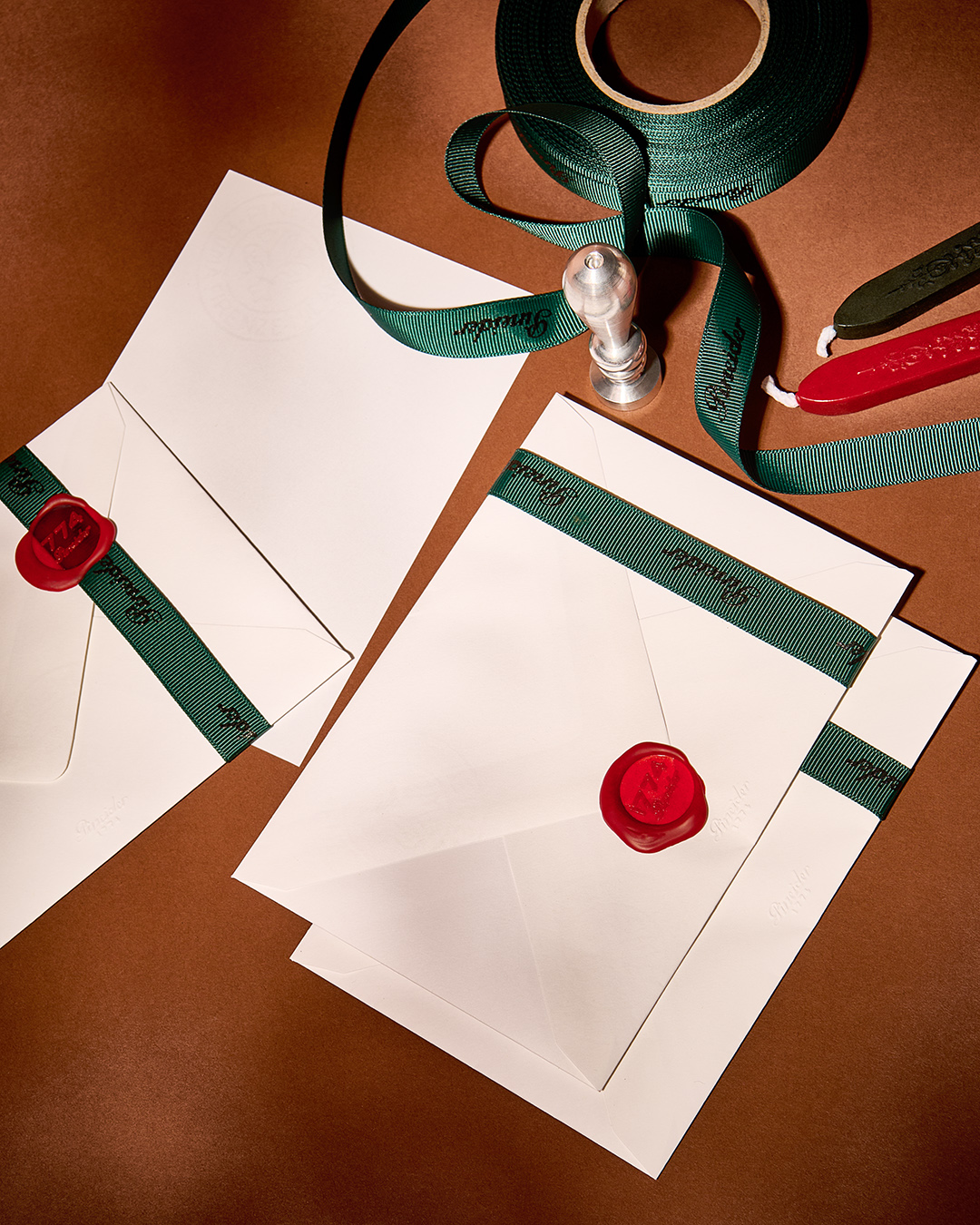
Sealing wax: the history of a timeless symbol of elegance
The history of sealing wax is deeply connected to the history of communication, craftsmanship, and personal identity. There is an ancient and silent gesture that has crossed centuries without losing its fascination: sealing a letter with wax. More than a simple material, sealing wax represents authenticity, elegance, and intention. A ritual made of warmth, patience, and precision, capable of transforming a message into something personal and memorable. Even today, sealing wax continues to evoke the beauty of slow gestures and timeless refinement. What is sealing wax: natural origins and composition Sealing wax is a thermoplastic resinous compound primarily made from: Natural resins Shellac Pigments Waxes Mineral substances Its most distinctive characteristic lies in its transformation through heat. When warmed, sealing wax becomes soft and malleable, ready to receive an imprint. As it cools, it hardens into a glossy and durable surface. The origins of sealing wax are rooted in nature itself. The primary raw material comes from the secretion of the Kerria lacca insect, collected from tree branches in tropical regions of Asia. Even today, its production preserves the charm of traditional craftsmanship through processes such as: Purification Melting Pigment blending Manual preparation Each stage contributes to creating a perfect balance between aesthetics, functionality, and artisanal quality. Sealing wax in the Middle Ages and official communication Introduced to Europe during the Middle Ages, sealing wax quickly became an essential tool for protecting and authenticating documents. From the 16th century onward, its use alongside paper transformed official communication across courts, institutions, and trade routes. Monarchs, nobles, merchants, and diplomats entrusted their identity to wax seals through: Coats of arms Monograms Personal emblems Official seals In a world without modern security systems, an intact seal represented authenticity and inviolability, while a broken seal communicated immediate evidence of tampering. The seal became both a functional and symbolic mark of authority. The symbolic meaning of colors in sealing wax Throughout the history of sealing wax, colors also carried important symbolic meanings. Different shades communicated different messages: Deep red for official and ceremonial documents Black for mourning or confidential correspondence Blue for discretion and authority Gold and precious tones for prestige and luxury Pigments were not used solely for decoration. They also influenced the texture, shine, and consistency of each wax formulation. Some luxurious preparations were even enriched with rare fragrances such as: Ambergris Musk Natural essences The wax seal became a complete sensory experience that combined sight, touch, and scent. Uses of sealing wax through history Over centuries, sealing wax has been used in many different artistic, ceremonial, and decorative contexts. Main uses of sealing wax Sealing letters and official documents Decorative applications on furniture and luxury objects Protective finishes for wood and metal Sealing high end wine bottles Luxury packaging and invitations Even today, sealing wax remains present in institutional and ceremonial settings where authenticity, elegance, and tradition continue to hold value. Sealing wax and contemporary stationery culture In the age of digital communication, sealing wax continues to symbolize intentionality and personal expression. Using a wax seal transforms communication into something tangible and memorable. For this reason, sealing wax has regained popularity in: Luxury stationery Calligraphy Wedding invitations Handcrafted correspondence Premium packaging Every seal communicates individuality, care, and timeless elegance. How to preserve sealing wax Like every refined natural material, sealing wax requires proper care to preserve its beauty and integrity over time. It is recommended to: Avoid prolonged exposure to heat and sunlight Store sealing wax in dry environments Avoid applying excessively thin layers Protect seals from impact and pressure Its natural variations are part of its artisanal charm and authenticity. Sealing wax as a timeless expression of elegance The enduring power of sealing wax lies in its ability to move through centuries without losing meaning. In a fast-paced and digital world, the gesture of sealing still represents something rare: the value of attention, intention, and presence. Because sealing does not simply mean closing something. It means giving importance to it. And it is precisely within this quiet gesture that sealing wax continues to express its timeless elegance. Discover the personalised Pineider wax seal set and transform every letter, invitation, or message into an authentic expression of craftsmanship and refined Italian style. Aggiungi ai preferiti
The leather belt: features and care of a timeless accessory
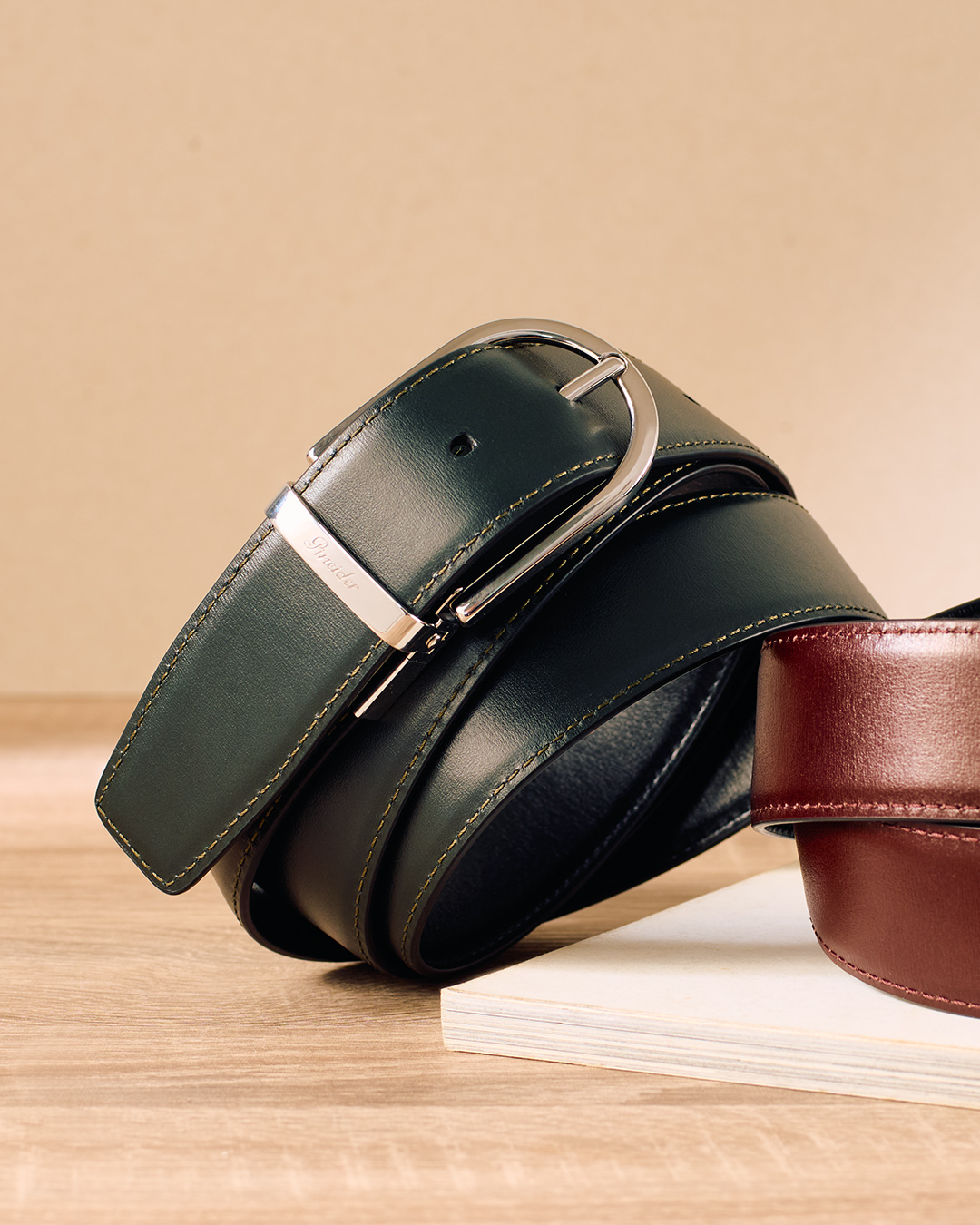
The history of belts is much older than one might imagine. Originally created out of necessity, belts gradually evolved into symbols of identity, sophistication, and style across different cultures and eras. Today, the leather belt represents a perfect balance between tradition and contemporary design. It preserves its original functionality while embracing modern values such as versatility, personalization, and refined materials. The men’s leather belts by Pineider embody this philosophy through Italian craftsmanship, luxury materials, and understated elegance designed to endure over time. What is a leather belt: an accessory shaped by craftsmanship A leather belt is one of the few accessories capable of defining style without ever becoming excessive. Essential and discreet, it naturally accompanies both formal and contemporary wardrobes while reflecting the personality of the person wearing it. Crafted from semi gloss calfskin leather, the Pineider belt enhances the natural beauty of the material through artisanal treatments that create a soft and slightly irregular grain. The result is a surface rich in texture, depth, and character. Features of the Pineider leather belt Premium semi gloss calfskin leather Hand finished details Elegant and timeless design Refined Italian craftsmanship Soft and natural texture Made in Italy quality inspired by Florence Over time, the leather evolves naturally, becoming even more beautiful through daily use and developing a unique patina that reflects personal experience. Comfort, structure, and understated luxury The structure of the belt is carefully designed to follow the body harmoniously. The subtle central padding is not only an aesthetic detail but also contributes to a more natural fit, enhancing the silhouette with balance and elegance. Every element is designed around: Functionality Comfort Durability Sophisticated aesthetics Timeless versatility This quiet balance is what transforms a leather belt into an enduring luxury accessory rather than a passing trend. A double face belt designed for versatility One of the most distinctive features of the Pineider belt is its satin finished steel buckle with rotating box mechanism. With a simple movement, the belt transforms to reveal a second side. Two colors, two interpretations, one single accessory. This double face construction allows the belt to adapt naturally to different occasions while maintaining stylistic consistency. Advantages of the Pineider double face belt Two colors in one accessory Versatile styling possibilities Ideal for travel and business Elegant and understated appearance Functional and contemporary design The clip fastening system also allows the buckle to be removed and the length adjusted precisely, offering a higher level of personalization and comfort. Leather belt care: how to preserve elegance over time Caring for a leather belt is a simple yet essential ritual. To preserve its quality and elegant appearance over time, it is recommended to: Use a soft dry cloth regularly Apply a neutral leather cream occasionally Protect the belt from direct sunlight Avoid excessive humidity and moisture Store the belt in a dry and ventilated space With proper care, high-quality leather ages gracefully, developing character and depth while preserving the beauty, comfort and craftsmanship that make it unique. A timeless accessory that goes beyond trends Wearing a leather belt is not simply about completing an outfit. It is a gesture that expresses balance, attention to detail, and personal style. A refined accessory capable of accompanying everyday life with quiet elegance. In a world increasingly shaped by speed and disposable fashion, handcrafted leather accessories regain value through their durability and authenticity. Alongside fine materials and craftsmanship, proper leather belt care helps preserve the elegance and character that make a timeless accessory truly enduring. Because some accessories follow trends, while others endure. And it is precisely in their discreet presence that they continue to tell a story of elegance, craftsmanship, and Made in Italy quality. Aggiungi ai preferiti