Silent Words: The Radical Return of Writing at RenBen 2026
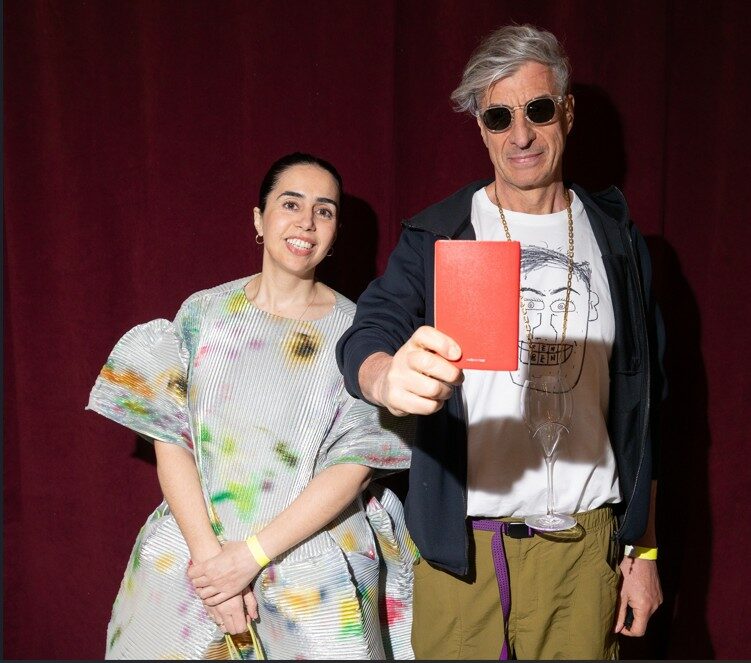
22 April 2026Increasingly, writing is returning to its essential nature—intimate, yet also radical. This is precisely what unfolded on April 8, 2026, within the historic spaces of the Chicago Athletic Association, on the occasion of RenBen 2026, the annual gala in support of the Renaissance Society, conceived this year by the artist Maurizio Cattelan. Among the most influential and provocative figures in contemporary art, Cattelan envisioned an evening capable of subverting the conventions of language and human interaction. His “Silent Party” transformed two floors of the building into an experiential labyrinth, where more than four hundred guests moved in silence, relinquishing spoken words to rediscover the value of written communication. Within this suspended atmosphere—composed of glances, gestures, and pauses—handwriting returned to center stage. Pineider notebooks, selected as the sole means of interaction among guests, accompanied every exchange, every thought, every fragment of dialogue. Discreet yet central objects, they made possible a collective experience that was as unusual as it was profoundly human. Writing, in the absence of voice, took on a different rhythm: slower, more deliberate. Each word traced onto paper carried with it the weight of time and the intentionality of the gesture. In an age dominated by digital immediacy, the return to paper created a space for reflection and authenticity, transforming communication into a tangible act—almost meditative. RenBen has always represented a pivotal moment for the Renaissance Society, contributing significantly to the support of its activities: new artistic commissions, curatorial research, and publications. Set within the context of EXPO ART WEEK, the event reaffirms the role of art as a driver of cultural dialogue and experimentation. For Pineider, participating in this edition meant resonating with a vision that places the value of the written mark at its core. The notebooks were not merely tools, but true custodians of an experience: pages traversed by fleeting thoughts, silent messages, and unexpected connections. In a labyrinth of transformed rooms, among soft lights and moving presences, a collective narrative emerged—composed of notes, dedications, and intuitions. A shared memory, destined to remain impressed not only in the minds of participants, but also within the pages that captured every trace of that evening. Aggiungi ai preferiti
Pineider at LUISS: When a Stamp Becomes a Story
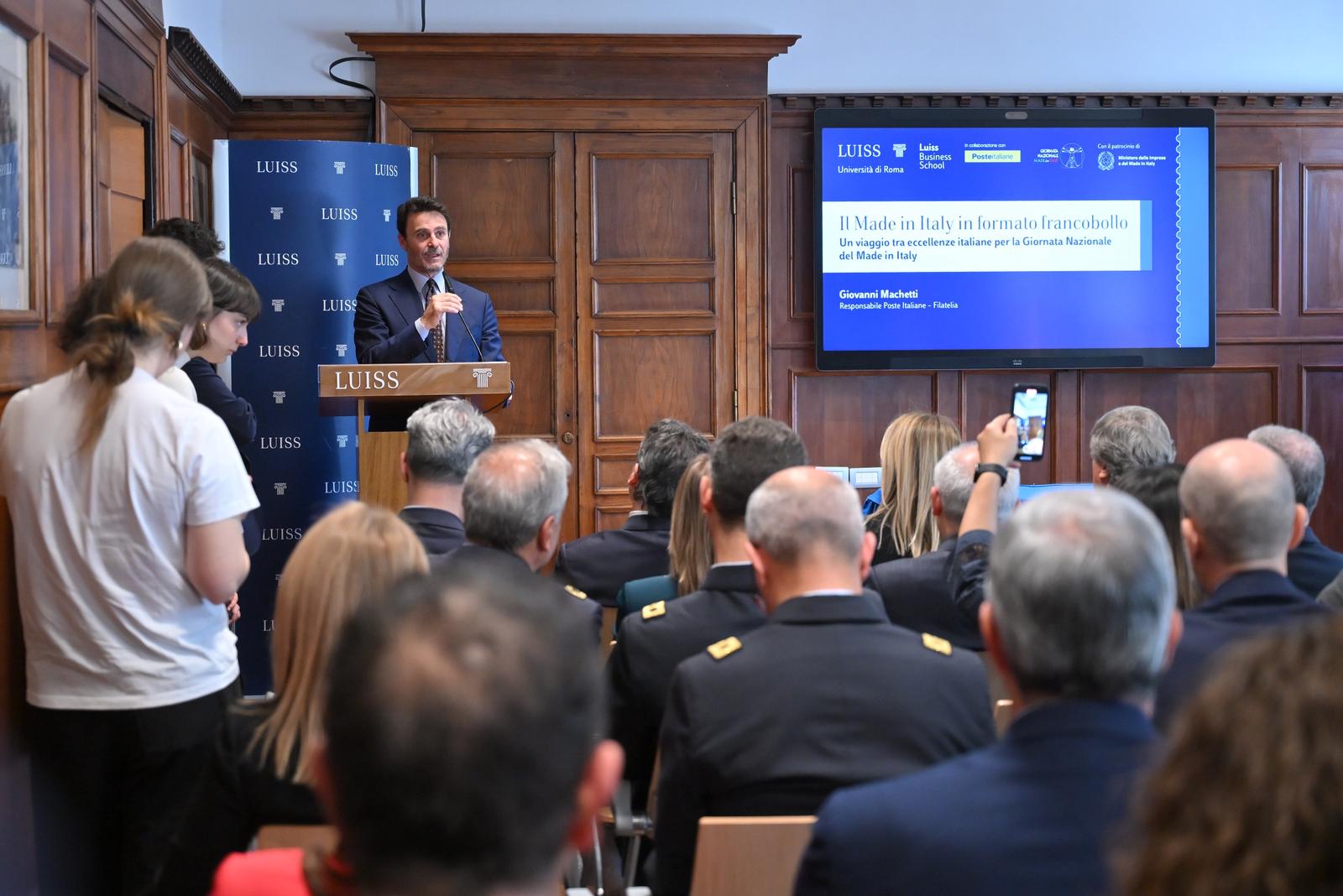
16 April 2026At LUISS Guido Carli in Rome, a striking exhibition transforms one of the smallest tools of communication into a powerful expression of identity. “Made in Italy in Stamp Format,” created in collaboration with Poste Italiane, celebrates the excellence of Italian culture, industry, and creativity through the evocative language of philately. Far beyond mere collecting, the postage stamp has always been a keeper of collective memory—an object capable of traveling across borders while carrying the essence of a nation. This exhibition captures its deeper meaning, offering a journey through the stories that have shaped Italy’s global reputation. Within this narrative, Pineider stands alongside a distinguished selection of leading names: from icons of design and innovation such as Bialetti and Ducati, to cultural symbols like the Riace Bronzes, and globally renowned champions of Italian excellence including Gucci and Ferrero. Each of the sixteen exhibition panels pairs an enlarged philatelic issue with a representative object, creating a dialogue between image and material culture. In this context, Pineider’s presence carries particular significance. Founded in Florence in 1774, the maison has long embodied the art of writing as both a personal gesture and a cultural act, transforming paper into a space for expression, memory, and style. The stamp dedicated to Pineider thus becomes more than a tribute: it symbolizes a continuity between tradition and modernity, between the intimacy of handwritten words and their enduring value in an increasingly digital world. Open to the public over two weekends in April, the exhibition invites students, visitors, and enthusiasts to rediscover the value of small things—those that, like a fine sheet of paper or a handwritten letter, preserve a sense of permanence. In an age defined by speed and ephemerality, Pineider’s presence within this philatelic journey reaffirms a fundamental truth: true luxury lies not only in what endures, but in what continues to be written, shared, and remembered. Aggiungi ai preferiti
Pineider and LUISS: When Craftsmanship Meets Contemporary Thought
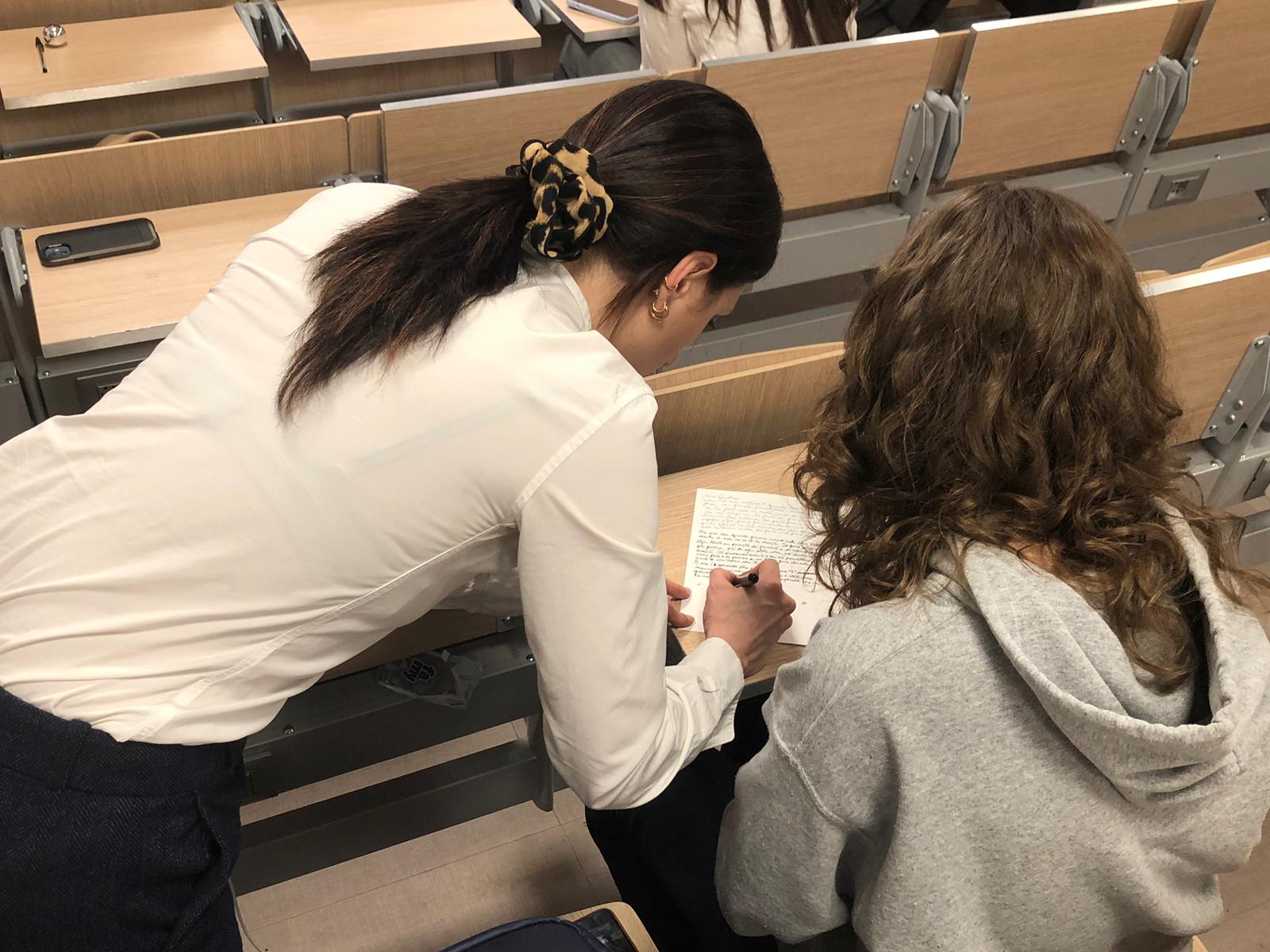
1 April 2026There is a precise moment when tradition ceases to be memory and becomes future. It is within this subtle and fertile space that the collaboration between Pineider and LUISS Guido Carli takes shape: a project that goes beyond the transmission of skills, building an authentic dialogue between craftsmanship, culture, and new generations. Founded in 1774, Pineider has always been the custodian of a savoir-faire that spans centuries without losing its identity. On the other side, LUISS represents a place of education and vision, where the present is explored through an open and international perspective. The meeting between these two realities is therefore not accidental, but deeply natural: a point of convergence between experience and research, between gesture and thought. More than an educational initiative, this collaboration takes the form of an experiential journey. Students are involved in a series of workshops centered on the value of making, understood as a tangible expression of Italian culture. The first session, dedicated to the art of calligraphy, offered an immersion into one of the most ancient and defining gestures of writing: slow, intentional, and deeply human. A gesture that Pineider preserves and renews, transforming it into a contemporary language. The next session will instead focus on business etiquette, a theme that today carries a renewed meaning. No longer merely a set of formal rules, but a cultural code that defines how we relate, communicate, and create value in the professional world. Once again, Pineider interprets a style that embodies both elegance and substance, form and content. The project reaches one of its most significant moments in the exhibition organized by LUISS on the occasion of Giornata Nazionale del Made in Italy. An exhibition open to the public, designed to narrate Italian craftsmanship through objects and stories that embody its essence. In this context, Pineider presents two symbols of its identity: the stamp and the writing desk. Two elements that encapsulate a universe of meanings—communication, memory, and connection—and demonstrate how an object can become culture. The dialogue will continue with a talk dedicated to the value of writing in the contemporary world, developed in collaboration with Premio Campiello. An opportunity for exchange between different worlds—academic, literary, and entrepreneurial—united by the awareness that writing, now more than ever, means leaving a mark. This collaboration represents far more than a joint initiative: it is a model of relationship between business and education, where the heritage of Made in Italy is not only preserved, but reinterpreted through new sensibilities. Pineider and LUISS share an evolved vision, capable of speaking to the present without losing connection to their roots. Aggiungi ai preferiti
Personal Branding & Netiquette
There are lapses in style, across the digital landscape, so endemic that they have come to be mistaken for the new normal. An email with no subject line, a voice message that rambles on without ever getting to the point, a video call where the camera stays discreetly off: these are venial sins committed every single day. They may seem harmless — and yet they are not. They are tiny drops that, one after another, quietly dig a hole in how others perceive our professionalism. The temptation to dismiss these small things as inconsequential details is strong. But let us be honest: anyone’s professional presence today is no longer built around mahogany boardroom tables — it plays out, in large part, across screens and devices. And nothing reinforces and underscores professionalism quite like a digital presence that is measured, intentional, and polished. It is from this awareness that the Digital Etiquette Masterclass on April 11th was born. To be held at the Pineider boutique in Milan, this workshop — created in collaboration with the Italian Etiquette Society and led by Elisa Motterle — is designed to offer practical tools to anyone who wishes to present themselves with greater precision, consistency, and elegance in the online world as well. Emails, instant messages, social media, video calls: these are working tools — and not only that — which we use every day, often without pausing to consider their impact. Yet it is precisely there that many of the most common frictions arise: messages that go unanswered, imprecise communications, misunderstandings, small oversights that, little by little and without our even noticing, chip away at how others perceive our professionalism. During the workshop, participants will work through real-life scenarios that, sooner or later, we have all encountered. Emails that receive no reply — perhaps because they are unclear, or lack a defined deadline. The WhatsApp group created with a specific purpose that quickly veers off in an entirely different direction. The video call taken too lightly, which risks conveying distraction or a lack of engagement. The comment left on social media that reveals a side of us — to colleagues, suppliers, or an employer — that we perhaps never intended to show. We will explore how each channel has its own code of conduct; we will come to understand how the internet, beyond being a powerful resource, creates — whether we like it or not — a digital identity that says a great deal about who we are, and how every trace we leave online contributes to the image that clients, suppliers, and employers form of us. For anyone who feels that their digital identity looks more like something thrown on in a hurry than a tailored suit, or for those who are tired of leaving their online narrative to chance, this workshop is the social appointment not to be missed. Because netiquette, when all is said and done, is not merely digital etiquette — it is a valuable and subtle form of strategic communication. Aggiungi ai preferiti

Pineider Comes to Tirana, in COIN
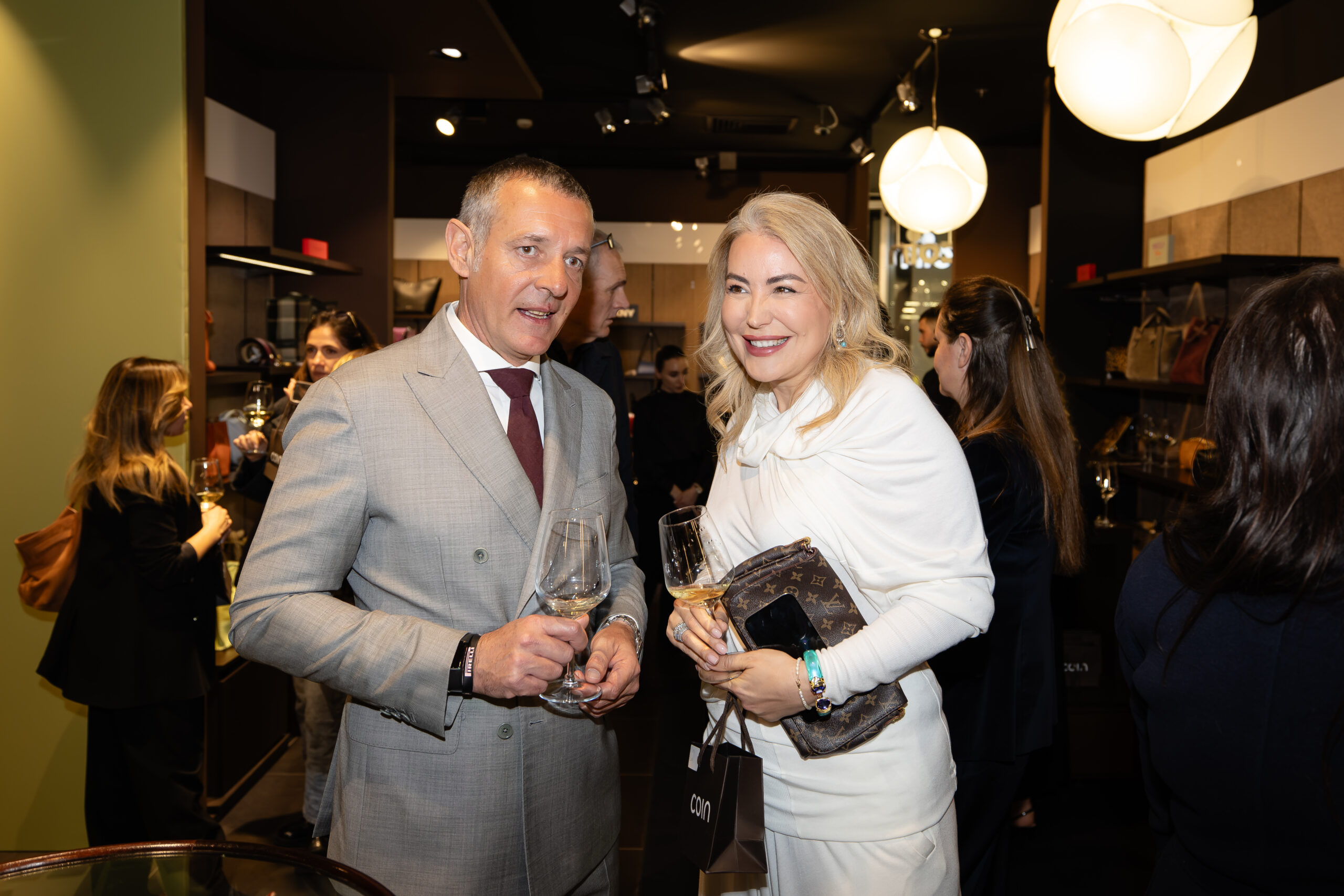
There is a precise moment when a brand stops simply being present and becomes part of a larger story. For Pineider, that moment came to life in Tirana, during an exclusive event hosted by Coin Tirana to celebrate the official arrival of the Florentine maison in Albania. Founded in Florence in 1774, Pineider has always been synonymous with a timeless elegance: writing instruments and leather accessories crafted with the same artisanal devotion that has carried through centuries of Italian history. A heritage that cannot merely be told — it must be touched, felt beneath the fingertips, carried with you. “Every Pineider object becomes a unique expression of one’s identity — personalisation is not a detail, it is the very heart of the brand.” The event offered guests — partners, influencers and selected clients — the opportunity to experience the world of Pineider firsthand and authentically. At the centre of the evening: the product personalisation process, that practice which transforms each piece into something unrepeatable, bearing the mark of the person who chooses it. For Coin Tirana, welcoming Pineider into its portfolio marks a significant step — bringing into the modern retail context a brand that embodies history, prestige, and that discreet refinement now known as quiet luxury. A presence that elevates the offering for a clientele increasingly drawn to quality, detail, and tradition. Pineider is now available at Coin Tirana, ground floor, with a curated selection of the maison’s iconic pieces. An invitation to discover — or rediscover — the art of choosing objects that endure. Aggiungi ai preferiti
Pineider at Casa Cipriani: the art of writing meets the finest hospitality
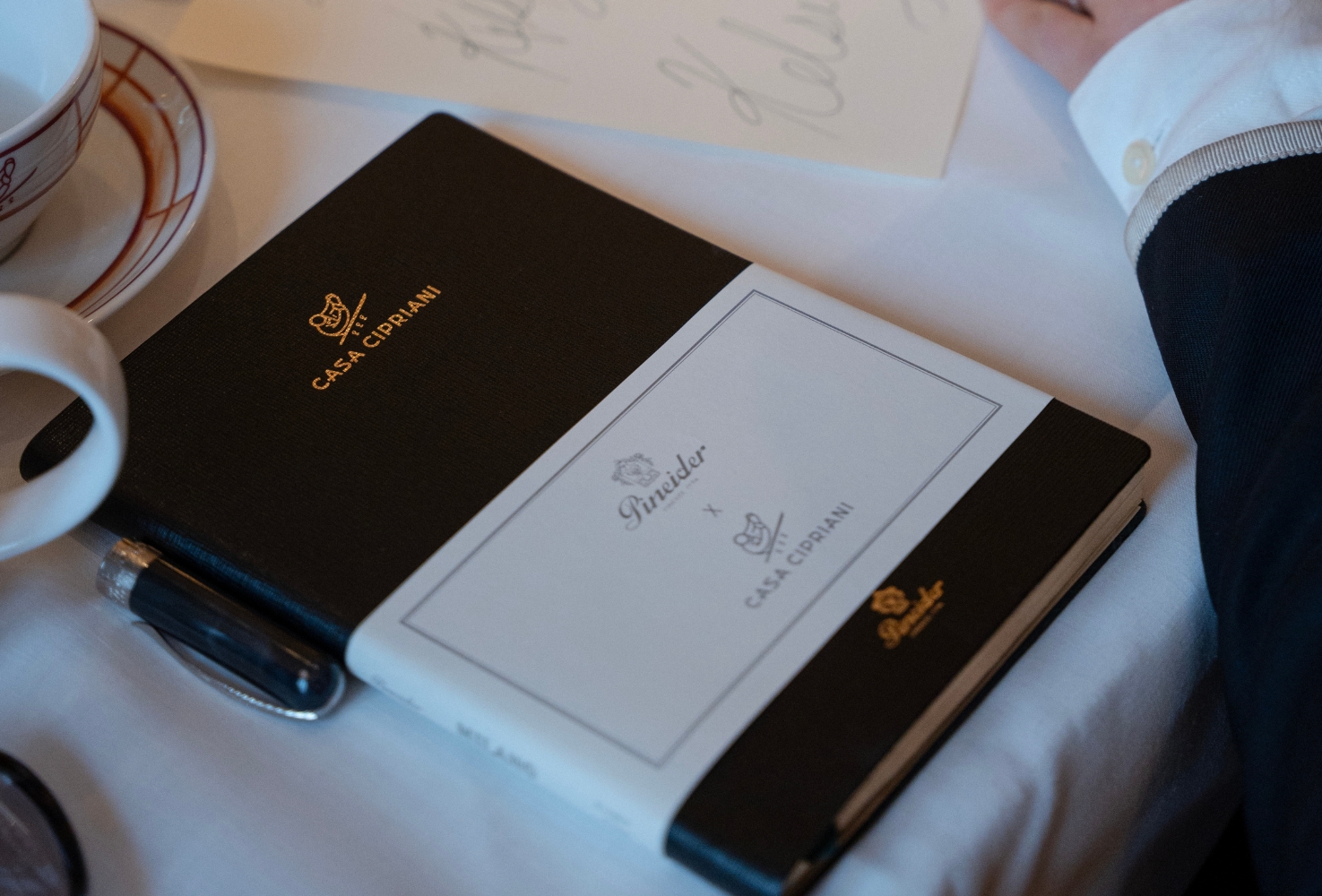
30 March 2026Some collaborations arise from a natural affinity. Such is the case with the meeting between Pineider and Casa Cipriani: two worlds that share the same vision of elegance, attention to detail, and a hospitality that places the human experience at its very heart. Over recent months, this collaboration has taken shape across several cities around the world, bringing the culture of writing into some of the most iconic addresses in international hospitality. At Casa Cipriani Milan, the co-branded Pineider notebooks have become a quietly coveted presence in the house shop, proving a remarkable success both among hotel guests — the property being open to non-members as well — and among club members alike. An object that distils the essence of both worlds: understated, refined, and conceived to accompany moments of reflection and creativity. At Casa Cipriani New York, the Pineider notebooks find their place as gifts dedicated to VIP clients, members, and guests of the rooms with their spectacular views — a gesture of thoughtfulness and care towards the most loyal of guests. Two Italian names that, wherever in the world they meet, speak the same language: that of beauty without haste. Aggiungi ai preferiti
Pineider meets the talents of tomorrow: a lesson in conscious luxury at the European School of Economics.
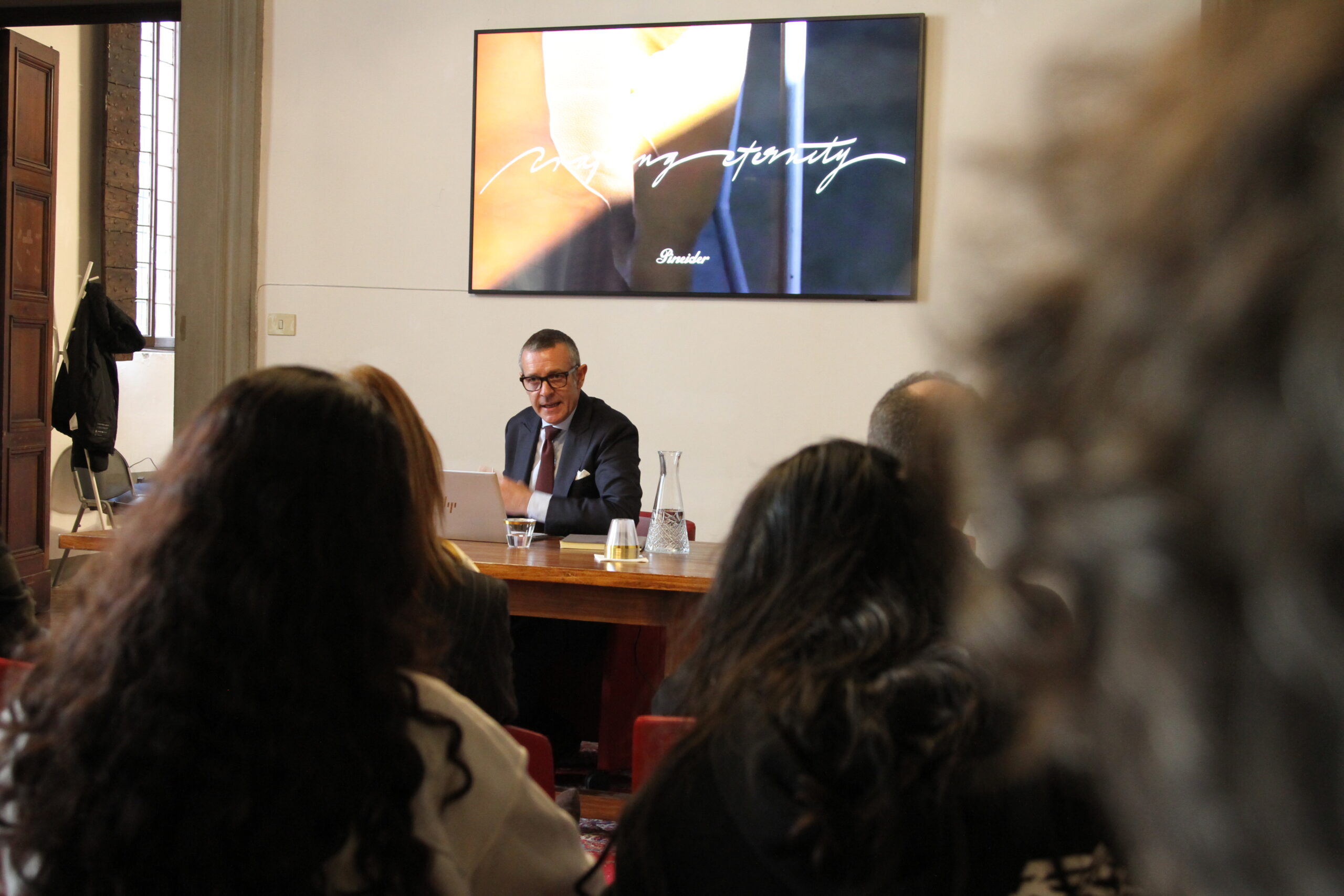
10 March 2026In today’s luxury landscape, engaging with younger generations is one of the most stimulating, and necessary, challenges brands face. It is in this spirit that Pineider recently took part in an educational project at the European School of Economics in Florence, offering students a valuable opportunity to engage directly with the real-world dynamics of a historic Made in Italy brand. The initiative was part of the E-Commerce & E-Business course led by Professor Andrea Secci, and involved students in a practical exercise focused on analyzing the brand’s digital positioning and communication strategies. The project allowed participants to explore how a maison with more than two centuries of history continues to reinterpret its cultural heritage through a contemporary lens. Leading the project, and bringing the company’s perspective into the classroom, were Luna Ebtehal Badawi, Pineider’s Marketing & Communication Manager, and Thea Andreaggi, Visual Communication Designer & Art Director. Through data, real case studies, and strategic insights, students were able to engage directly with the decisions shaping the brand’s digital identity today. A particularly meaningful moment of the session was the contribution of Nicola Andreatta, General Manager of Pineider, who shared the brand’s vision and reflections on the contemporary meaning of luxury. Drawing on extensive international experience in the sector, Andreatta explained how Pineider interprets the idea of quiet luxury, a discreet and authentic form of luxury rooted in the quality of materials, artisanal craftsmanship, and a deep relationship with time. In this perspective, tradition is not a static legacy but a living resource, one that continues to evolve, engaging with new languages and new generations. “True luxury,” Andreatta noted, “is not only what we own, but what endures over time, an object designed to accompany the life of the person who uses it, preserving stories, gestures, and memory.” The meeting concluded with an immersive experience in the Pineider world. Students visited the brand’s Florentine boutique, gaining firsthand exposure to its artisanal tradition and to the refined universe of fine paper and leather goods. Adding a special dimension to the day was a calligraphy workshop led by calligrapher and paleographer Caterina Scardillo. Through the slow, precise, and mindful gesture of handwriting, students rediscovered the value of a practice that has always been at the heart of Pineider’s identity. Pineider’s collaboration with the European School of Economics reflects the brand’s commitment to building a bridge between tradition and the future. Sharing its knowledge with younger generations means contributing to the development of a more conscious culture of luxury, one that recognizes the enduring value of quality, craftsmanship, and timeless beauty. Aggiungi ai preferiti
The Year of the Horse Takes Shape: Junk Journalism and Chinese New Year at Pineider’s Milan Boutique
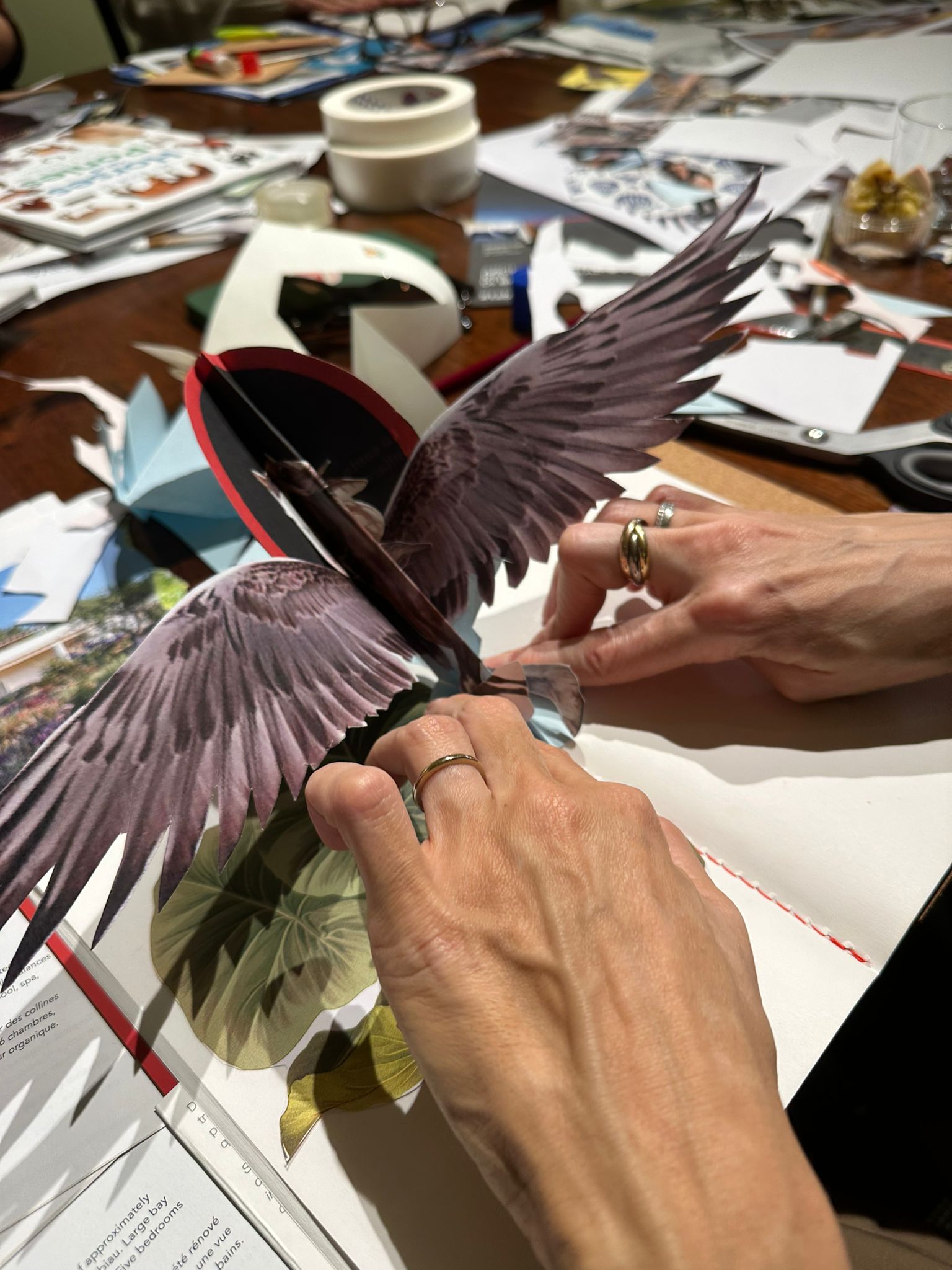
23 February 2026Last Saturday, Pineider’s Milan boutique transformed into something unexpected: no longer just a space dedicated to paper and writing, but a true creative laboratory, alive with cut-outs, collages and visions taking shape in the hands of those who attended. The occasion was a special one: Chinese New Year and the beginning of the Year of the Horse, celebrated alongside artist Yansu Wang through a Junk Journalism workshop that brought a new idea of craftsmanship into the boutique. Junk Journalism Meets Pineider Paper Junk Journalism is a creative practice that transforms found materials, paper scraps, images and fragments, into layered visual narratives. A language built from simple gestures and surprising results, where every page becomes a personal and unrepeatable story. For one afternoon, Pineider notebooks stopped being mere writing surfaces and became three-dimensional spaces for experimentation. Through layering, pop-up constructions and collage, the horse, a timeless symbol of energy, freedom and movement, came to life in the hands of each participant, becoming a visual metaphor for creative momentum and new beginnings. The choice of the Pineider notebook as the centrepiece of the event was no coincidence. The quality of the paper, the result of a manufacturing tradition rooted in 1774, is not simply an aesthetic matter: it is the material foundation that makes every form of expression possible. A paper that welcomes ink, but also collage, layering and the manual gesture. A paper that knows how to become a canvas. Yansu Wang: Art as Guide and Gift The workshop was led by Yansu Wang, an artist whose sensibility moves naturally across cultures and visual languages. Her presence gave the day a clear direction: not a course to follow passively, but an invitation to explore, to make mistakes, to build something genuine. Every participant went home with a unique piece, made of paper, intuition and an afternoon spent playing with their hands and their creativity. Craftsmanship and Culture: A Natural Intertwining Chinese New Year, with its symbolic charge of renewal and transformation, offered the perfect setting: a new year celebrated not with a toast, but with a collage. Not with words, but with hands. Thank you to Yansu Wang for leading the workshop with vision and generosity, and to everyone who chose to share this special beginning of the year with us. Stay with us: more events at the boutique are on their way. Aggiungi ai preferiti
“Not This Year”: The Value of Stopping, Between Writing and Style
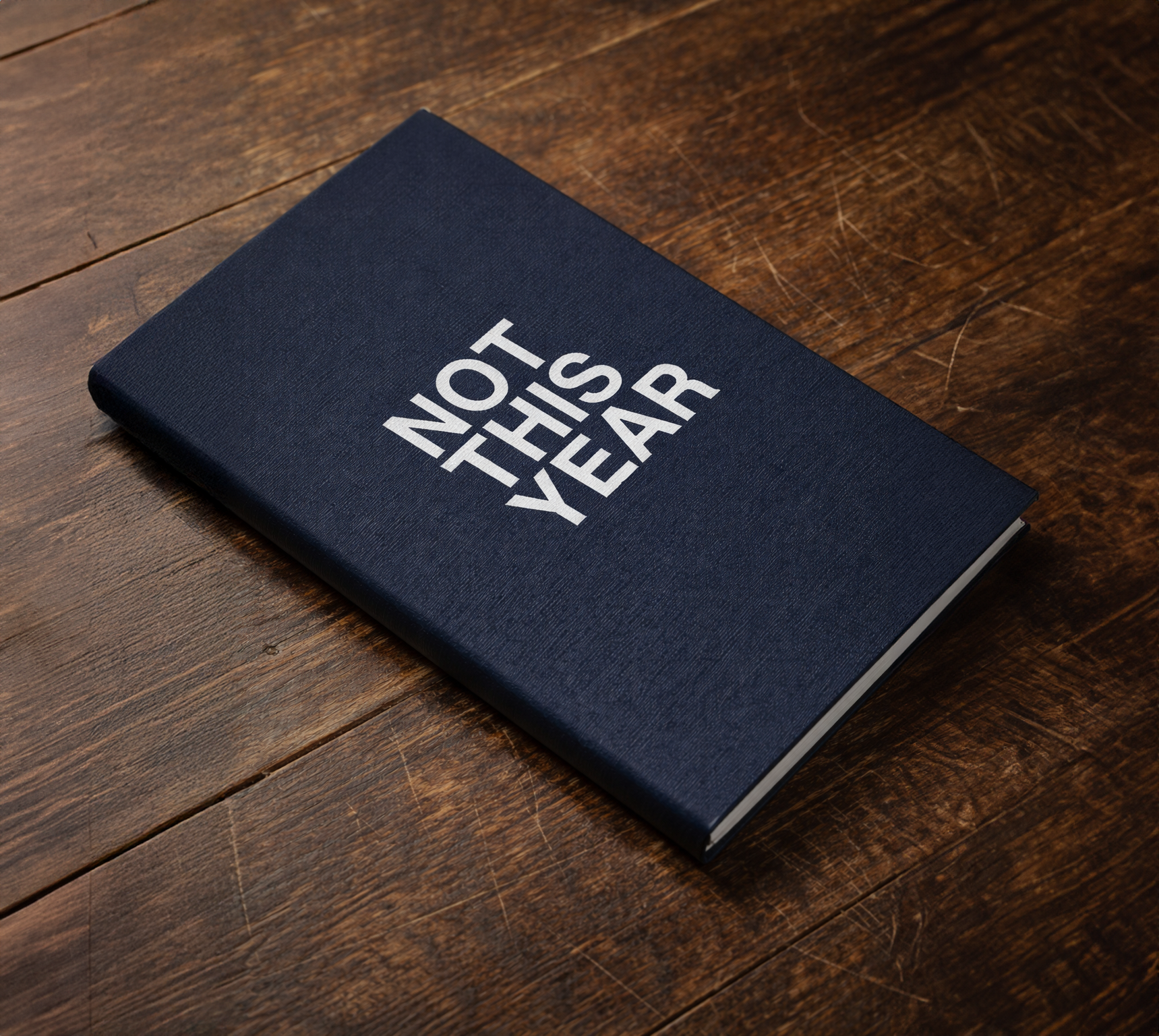
22 January 2026There are seasons when the most radical gesture is not to accelerate, but to slow down. When progress does not coincide with movement, but with the ability to stop and choose. “Not This Year” is born from this intuition: not as a rejection of the future, but as an act of awareness. A pause that does not interrupt time, but reorients it. It is from here that the collaboration between Pineider 1774 and ASPESI takes shape—two Italian realities that may seem distant, yet are deeply aligned. Both share a clear vision: time is not a resource to be consumed, but a space to be inhabited. Quality is not a detail, but a responsibility. Durability is not a promise, but a fact. Over the years, ASPESI has built an essential, functional language, far removed from the hysteria of fashion trends. A silent aesthetic that finds strength in subtraction, coherence, and fidelity to itself. Pineider 1774, a historic Florentine maison, has safeguarded for over two centuries the art of writing, paper, and leather goods, transforming the slow act of writing into a cultural value. In both cases, style is never decoration, but choice. The “Not This Year” capsule is born from the meeting of these two visions. Not a branding exercise, but a shared reflection on time as a deliberate act, not a deadline. An invitation to step away from constant urgency and restore meaning to everyday gestures. This philosophy takes shape in a selection of essential, measured garments and accessories, deliberately free of clamour. Objects designed to accompany, not to impose. Yet the intimate and narrative heart of the capsule is the Pineider 1774 x ASPESI planner. With the words “NOT THIS YEAR” impressed on the cover, the planner is conceived as perpetual, usable at any moment, in any year. It does not dictate a rhythm or impose goals. Inside, an initial insert features the complete calendar of the year, followed by a series of pages marked by non-motivational phrases: they do not suggest what to do, but leave space for the writer. An object that accompanies rather than guides, inviting one to choose what truly deserves to be written down. In an era obsessed with productivity, the planner thus becomes a silent manifesto. Writing not to fill space, but to clarify. Marking time not to control it, but to give it weight. Available at the Milan flagship store and on aspesi.it, the “Not This Year” capsule visually and materially translates this attitude. Aggiungi ai preferiti
Work Better
1 January 2026Some still think business etiquette is just a polished version of “behave yourself at the office.” It isn’t. Business etiquette is an operational skill — something that genuinely helps you work better, more effectively, and with less friction. Not to put on a show. In today’s professional world, problems rarely stem from a lack of technical expertise. More often, they come from relational ambiguity. A few examples: emails written without a clear structure, blurred boundaries, overlapping roles, familiarity that arrives before trust has been earned. These are the points where work slows down, stiffens, and becomes unnecessarily complicated. Business etiquette steps in here — not to add hollow formalities, but to reduce that friction. It is from this concrete, practical premise that the Business Etiquette workshop organised by Pineider, in collaboration with Italian Etiquette Society, was born. Scheduled for Saturday, 17 January, and led by Elisa Motterle, founder of Italian Etiquette Society. Business etiquette: what it actually does Business etiquette is not about being more polite. It is about being more clear. It helps you write emails that are read the right way. To make requests without generating resistance. To say no without over-explaining yourself. To keep a professional relationship within its natural boundaries, even when the atmosphere becomes informal. In other words, business etiquette is a shared grammar that makes work more legible and less exhausting. It is no coincidence that it tends to assert itself precisely when work becomes more complex, less hierarchical, and more interdependent — when the assumption that “we understand each other anyway” no longer holds, and the way you communicate becomes just as decisive as what you actually do. The January 17th workshop The workshop hosted by Pineider is designed for those who work closely with people and understand that the problem is rarely what is said, but how it is said — and what is unintentionally implied. The focus is on real situations: ineffective emails, managing difficult clients, professional boundaries that need reestablishing, working relationships at risk of drifting in the wrong direction. No empty theory — only practical tools, ready to use in everyday professional life from day one. Pineider has always worked on the precision of gesture, the responsibility of form, and the belief that what we do — and how we do it — leaves a mark. Aggiungi ai preferiti